
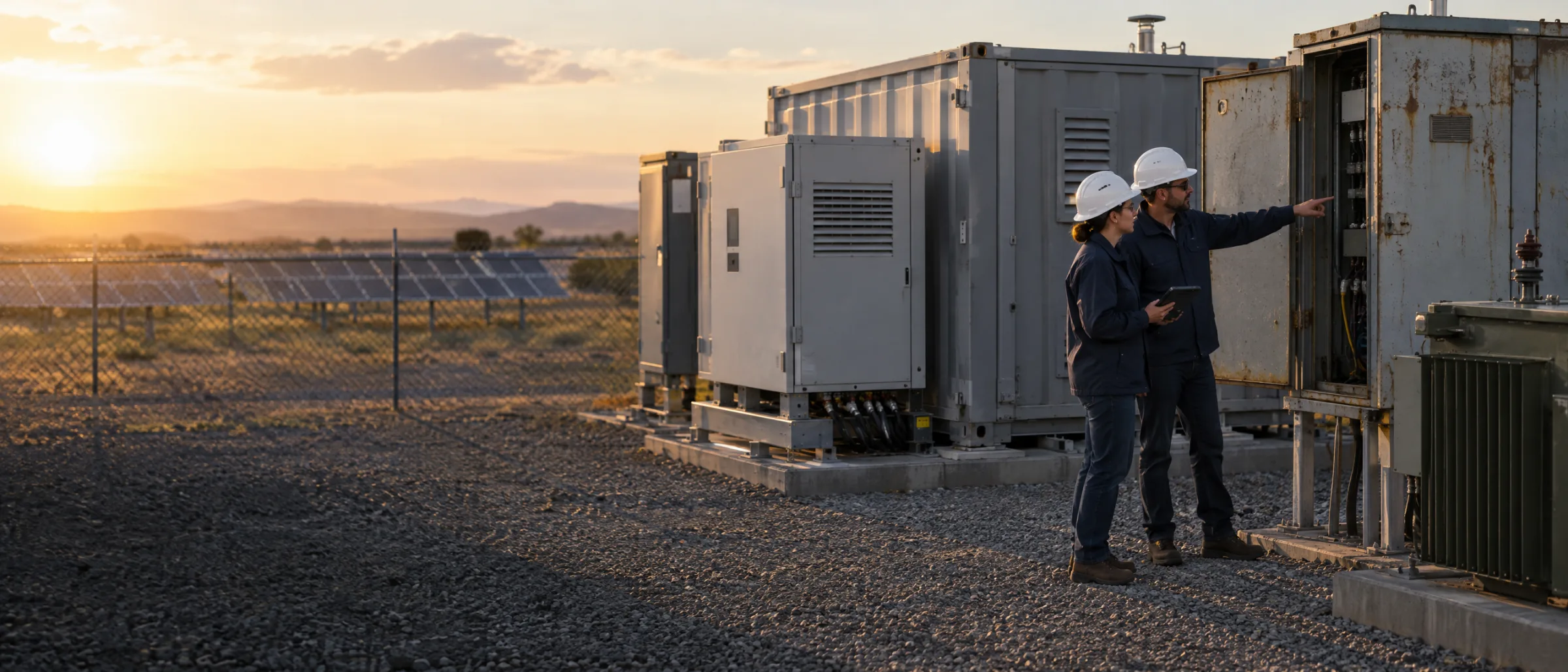
Why 42Hz
We fit 42Hz to your fleet and your team.
42Hz is asset performance management software for power and HVAC equipment.
Most fleets we see run a dozen manufacturers, each with its own portal, so when something fails nobody sees the whole picture. We connect all of it, including the units nobody supports anymore.
No new sensors. Your team works from one screen, on the equipment you already run.
How we work with your team.
Most of our engineering time goes into connecting your equipment and fitting 42Hz to how your team works.
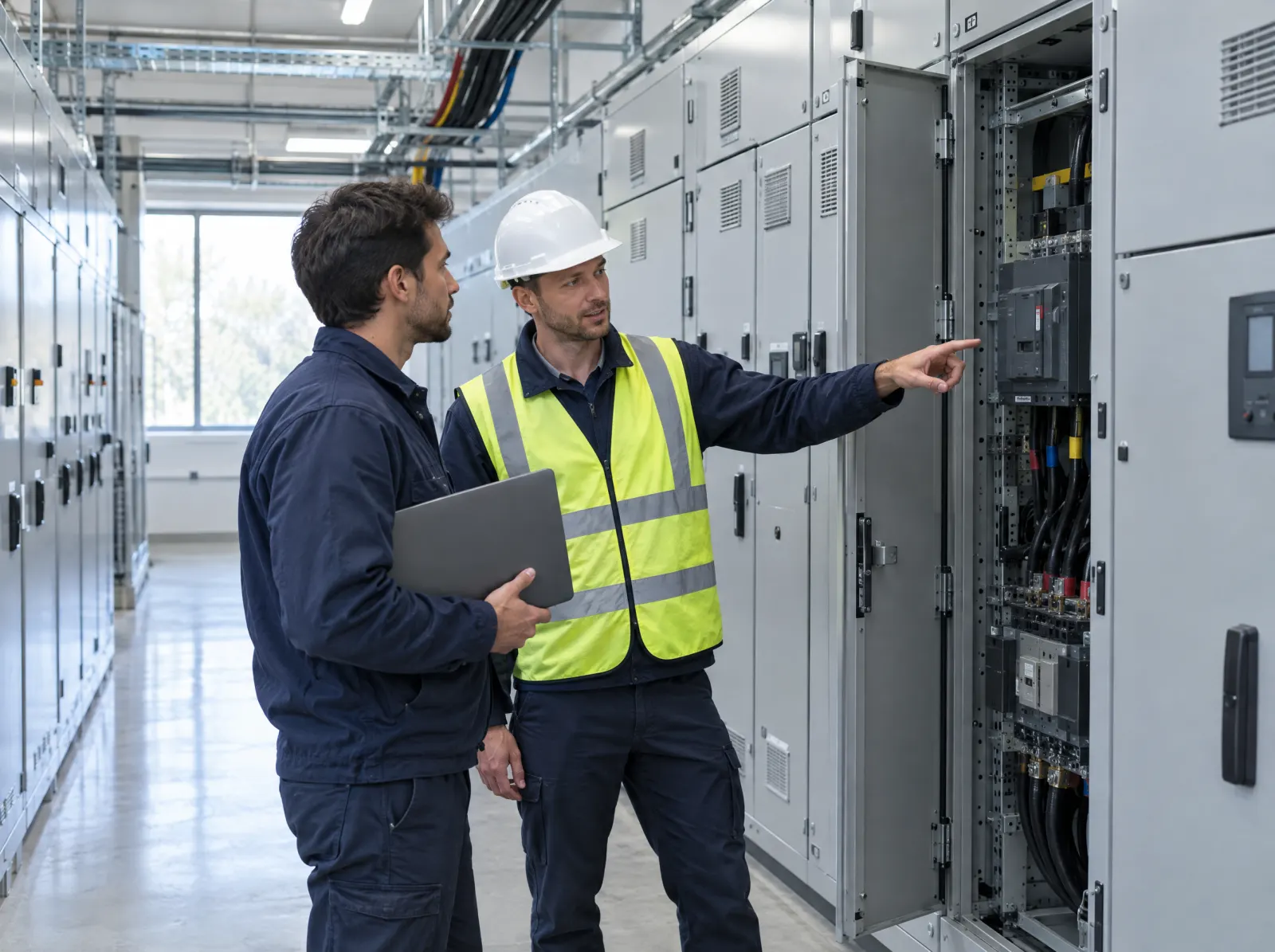
Every rollout starts with a pilot on a few sites we choose together. While our engineers learn the equipment, we sit with your operators and dispatchers to see how alarms, work orders and warranty claims are handled today.
If a controller reports data, we can connect it, including old protocols and sites with no network. Each connector we build goes into the product for every customer.
Alerts follow your on-call roster. Cases go to 42Hz or to the Maximo, SAP or ServiceNow system you already use.
42Hz is designed for NERC CIP environments. Connections are outbound-only and encrypted, monitoring is read-only, and every session is logged.
How 42Hz compares
The tools you have, and the gaps between them.
What teams use today
Where it falls short
42Hz
Each manufacturer’s portal
The portals don’t share data,so you only see part of a failure.
Every manufacturer in one view,so you can trace a fault across connected equipment.
SCADA and BMS alarms
Thousands of alarms,and most are noise.
A short list of real faults,each with its likely cause.
Sensor-based predictive maintenance
A sensor on every asset,plus another tool to check.
No new sensors.42Hz reads what your equipment already reports.
Enterprise APM suites
Usually sold as a suite for large programs,with long rollouts.
Set up for your equipmentand your team’s routine.
A manufacturer’s own software
Often old,with engineers opening snapshots one at a time.
Current and secure.OEMs can sell it to customers under their own brand.
What the pilot looks like
What a pilot asks of your team.
01
Send the equipment list.
We tell you what 42Hz can read today and how each site would connect.
02
Pick a few sites with us.
The best ones have a problem you already feel, such as repeat trips, alarm noise or wasted truck rolls.
03
We connect, you keep working.
Our engineers connect the equipment while we map your alarm, dispatch and work order process. Your security team gets our architecture and data-flow documents at the start.
04
Review real cases every week.
We go through what 42Hz flagged and what happened next, and tune it to how your team works.
What’s different on day 91.
01
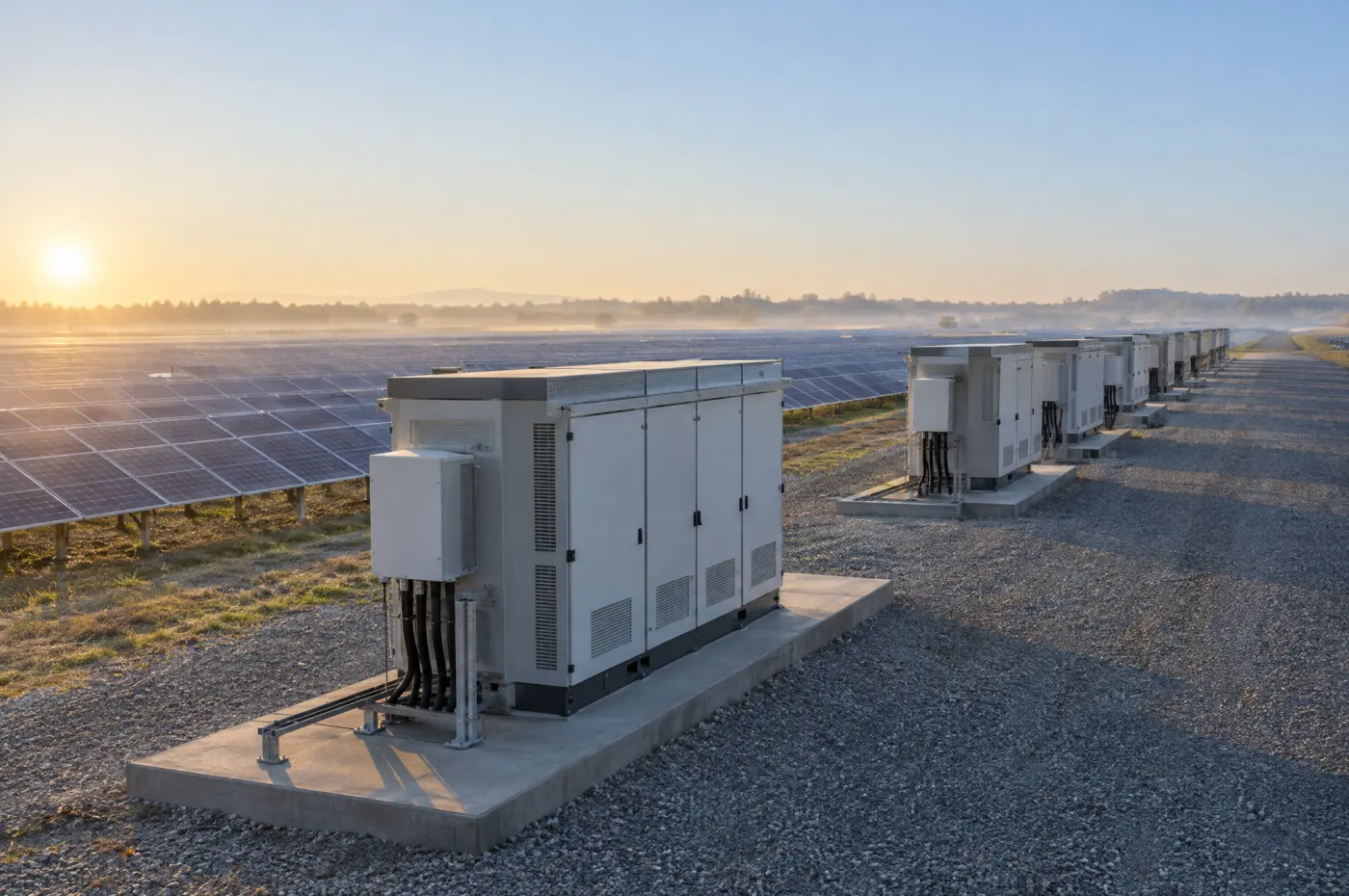
You hear about it while it’s still a work order.
Every unit gets its own normal, learned from its own operating history and load. A slow drift gets flagged early, and a normal busy day pages nobody.
How monitoring works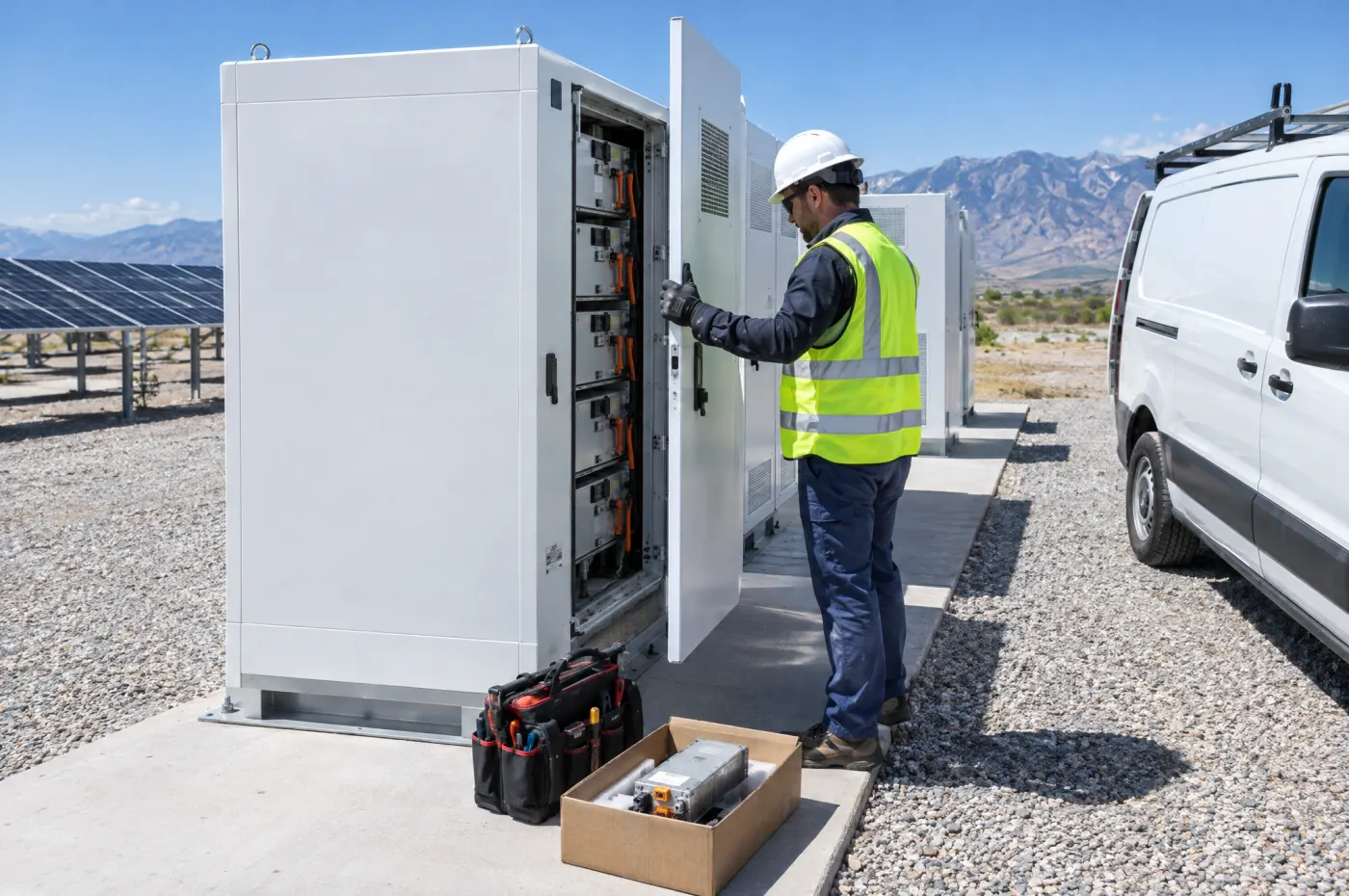
02
Crews fix it in one visit.
The case already holds the cause, the part and the unit’s history, so your crew arrives knowing what to fix. Dispatch from 42Hz or send it to the system you already use.
See cases and dispatch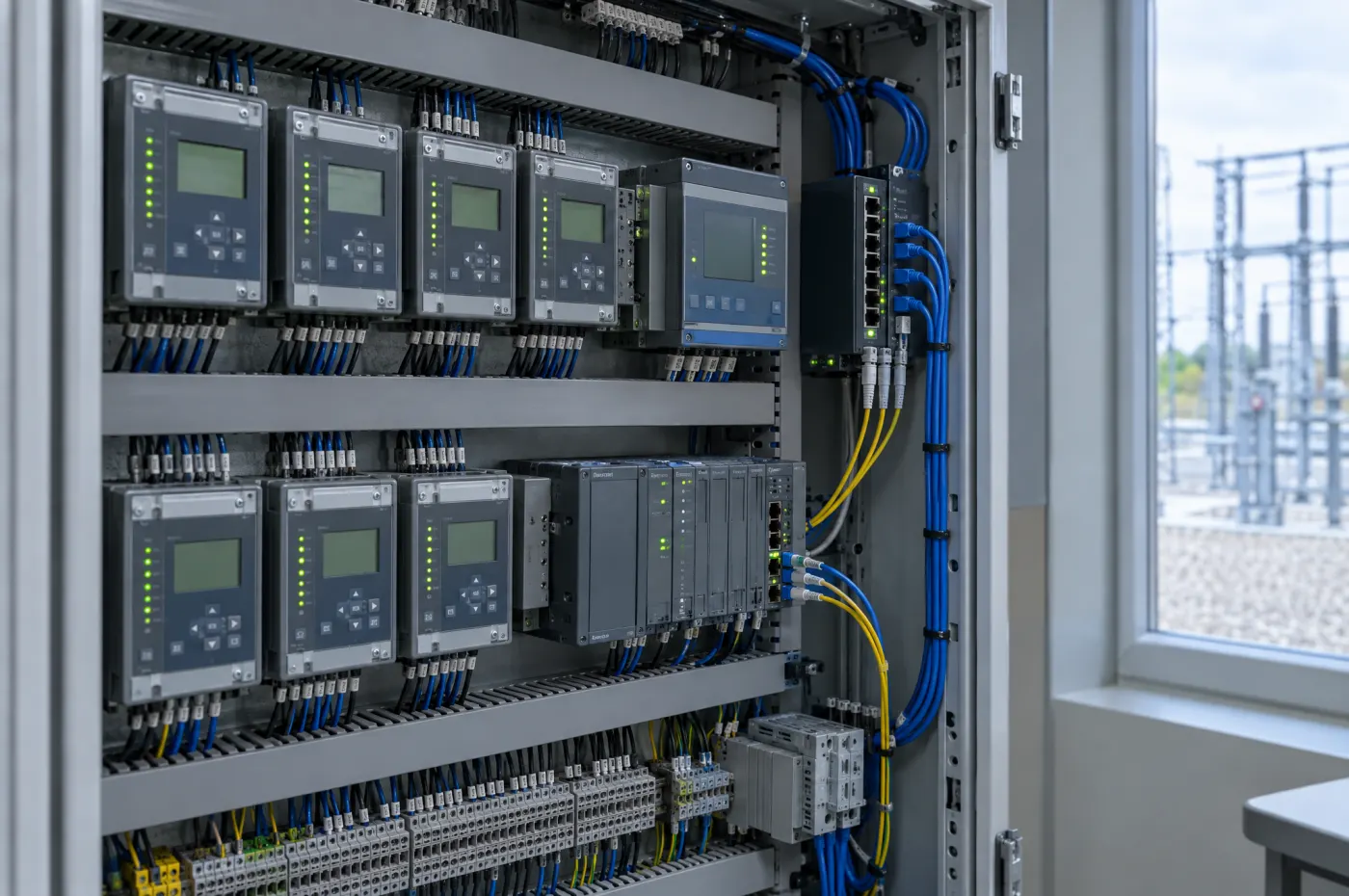
03
Older equipment and remote sites get connected too.
That includes inverters past warranty, relays the manufacturer no longer supports and sites with no network.
See what it connects to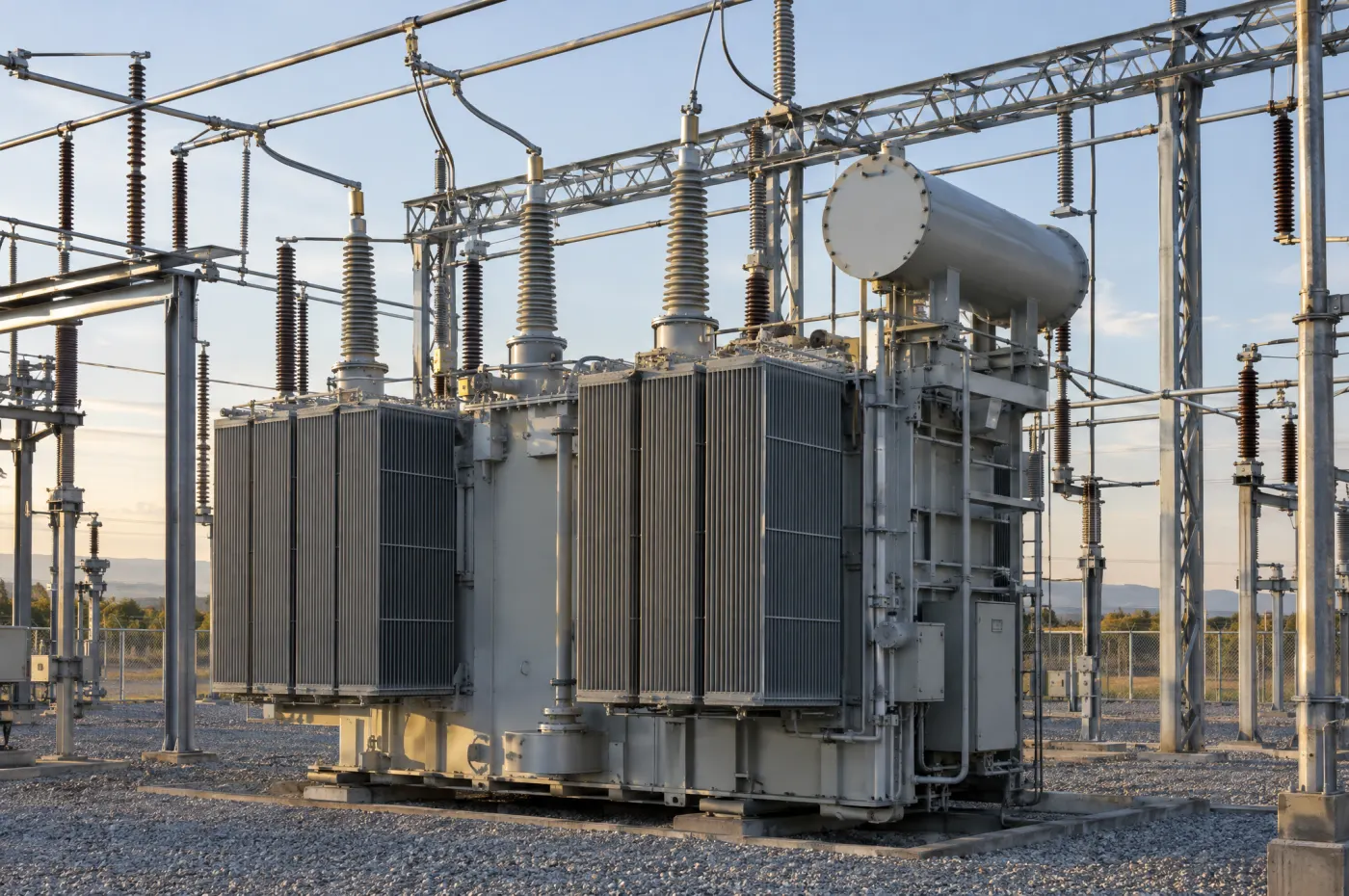
04
Built for power and HVAC equipment.
Inverters, batteries, switchgear, transformers, UPS, chillers and building HVAC: the equipment that keeps sites running.
Explore industries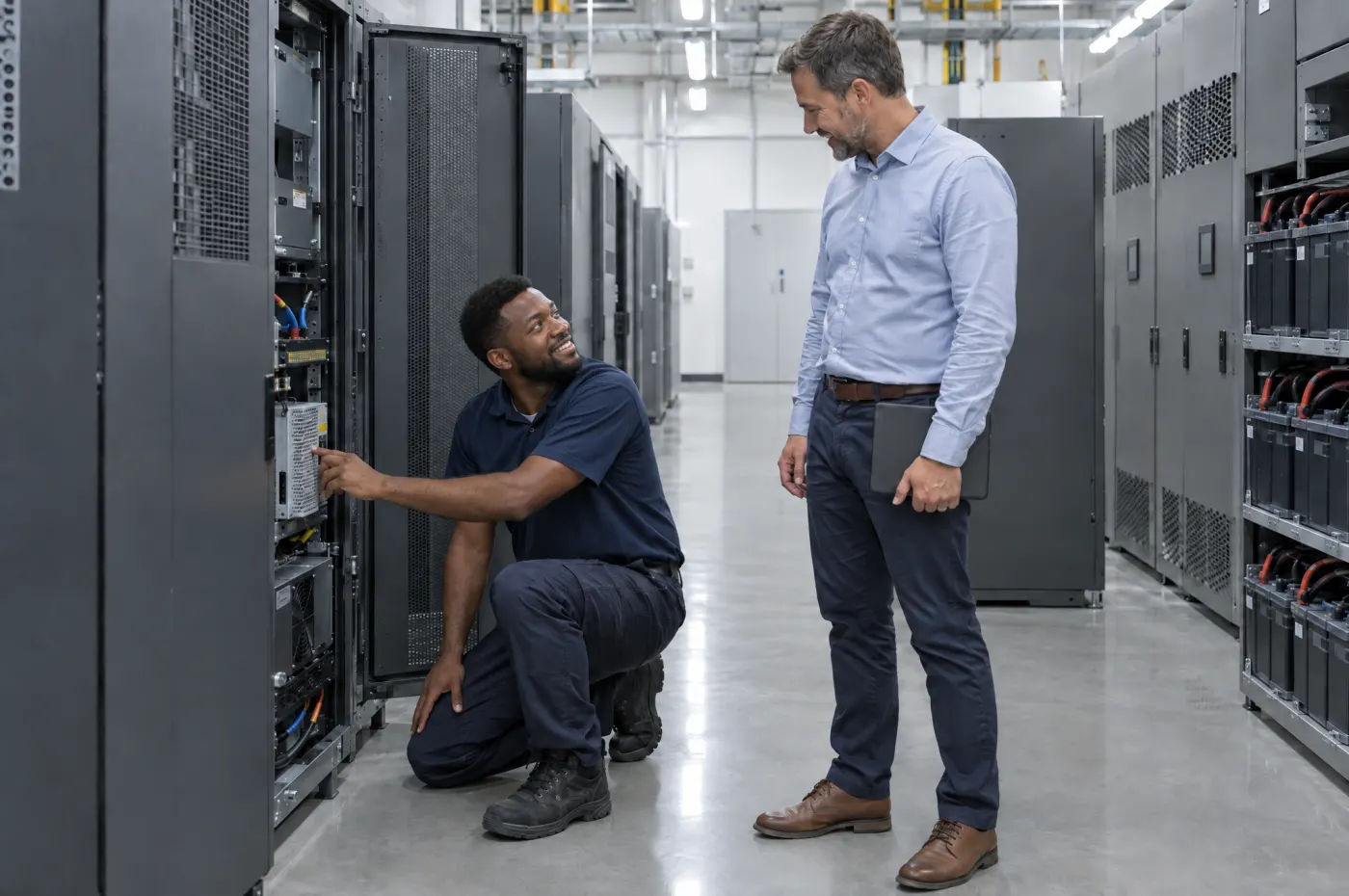
05
OEMs can sell monitoring under their own brand.
Fewer repeat visits, warranty questions settled with data, and a monthly service under your name.
For OEMs and service
Compare 42Hz.
Choosing a tool? Read our buyer’s guide, with ten questions to ask every vendor.
Questions buyers ask.
No new sensors. 42Hz reads what your equipment already reports. Sites with no network get a small cellular gateway.
Yes, as long as their data reaches a controller, SCADA or historian. Gas monitors on transformers are a common example.
Yes, depending on the use case. 42Hz can build a digital twin of a unit from its own history and generate new models for equipment types nobody has modeled before.
No. SCADA runs each site minute to minute. 42Hz works alongside it, looks across every site and gets faults fixed.
Inverters, batteries, STATCOMs, UPS, switchgear, relays, transformers, drives, meters, chillers and HVAC, from any manufacturer and of any age. For anything unusual, our engineers build the connection.
It starts with a pilot on a few sites. Our engineers learn your equipment while we map your business processes and what you’re trying to solve, in parallel. Most existing sites go live in about 90 days from kickoff.
Yes. It’s designed for NERC CIP environments. Connections are outbound-only and encrypted, monitoring only reads, remote control stays off until you turn it on, and every session is logged.
Around your fleet: the number and type of assets you want monitored. There are no fixed plans, and you pay only for what you use.