

Equipment rarely fails without warning. The warning gets lost in the noise.
That gets expensive in two directions:
The operations wall
The morning list.
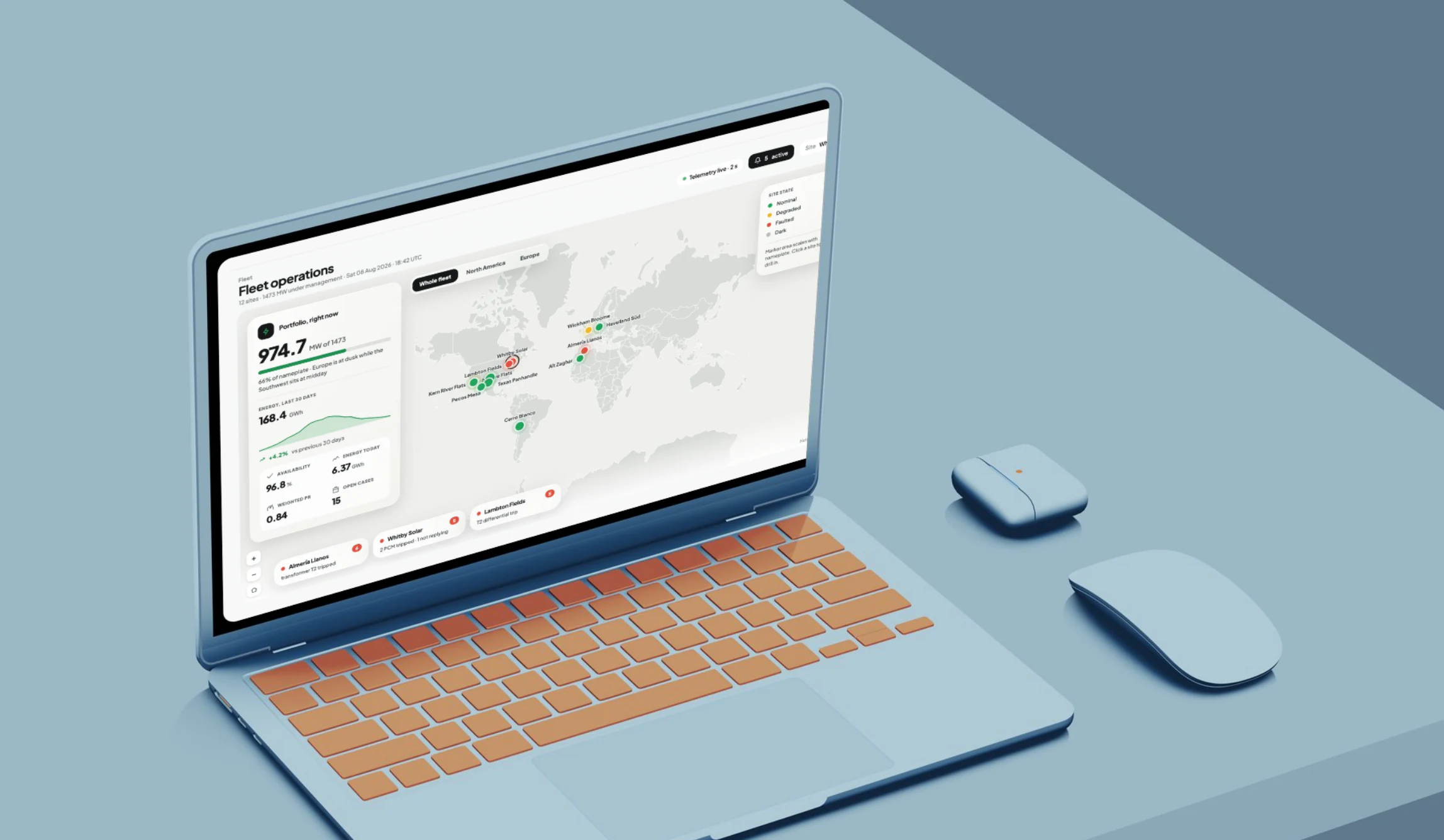
Every site you run, in the order that needs a person today. Each entry says what changed and what to do.
Your sites on your own single-line diagram
This is the drawing your operators already use. Units that need a visit today are marked.
See the platformIt reads what you already own.
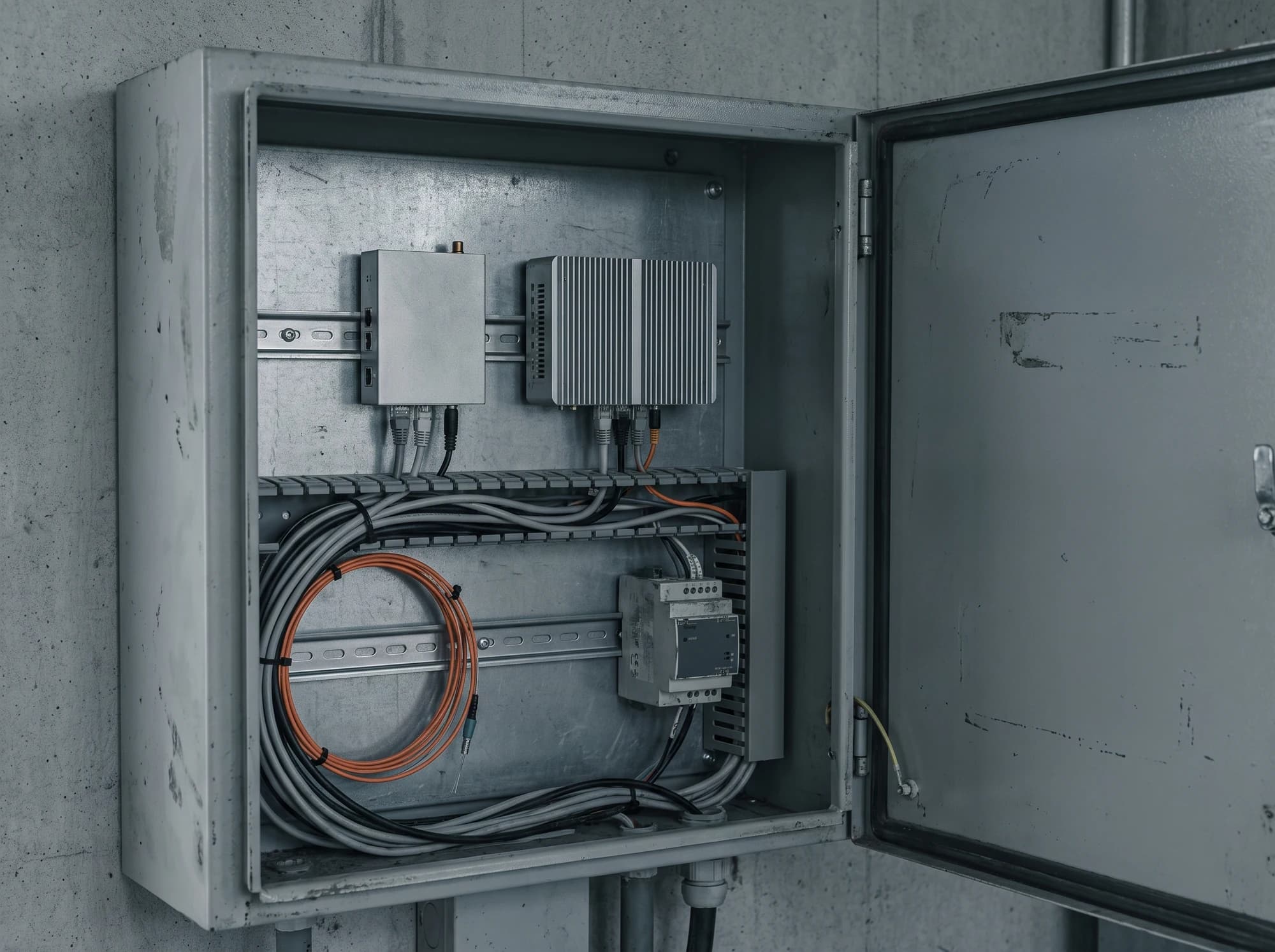
42Hz reads the data your equipment already produces. Any vendor, any age. A relay from 1998 connects the same way as one fitted last month. Each unit is judged against its own history, so a warning means that unit has changed.
If it reports a value, 42Hz can read it: relays, inverters, meters, battery management systems, chillers and drives. A warning names the failing part, not just the unit.
Ask in plain English, from the control room or standing at the equipment.
The answer says what is happening and what to do.
- Which site needs attention first?
- What changed at Almería before the trip?
- Show me every feeder running above 80 percent load.
- Which relays stopped reporting this month?
Planned work and longer asset life
Emergency work costs three to nine times what planned work does. 42Hz turns emergencies into planned jobs. The case names the asset, the fault and the part, so the first visit fixes it.
Faults caught early do less damage. Equipment kept within its limits lasts longer, and you replace it later. The knowledge stays in the platform when your veteran retires.
Read-only by design.
A connection to your equipment must never become a way into your network.
42Hz does not write to your equipment. It has no way to. Connections run outwards only. There is no inbound channel and no setting that opens one.
- Fits your CIP program
- TLS 1.2+
Work out what unplanned downtime costs you
Enter how often your equipment fails, how long each outage lasts and what an hour costs. The calculator shows what you would save by catching some of those failures early.
Your operation
Across every site you run, not per site.
Time to restore, from trip to back on line.
Lost generation, penalties, crew rates.
Your estimate of how often a warning arrives in time to act on. We do not assume a figure.
- Unplanned downtime per year
- 72 h
- Total unplanned downtime cost
- $1.80M
- Failures caught in time
- 7.2
- Annual value recovered
- $1.08M
12 failures × 6.0 h
72 h × $25,000
12 × 60%
$1.80M × 60%
These are directional. Payback is settled during a site pilot, where failures are measured rather than estimated.
Book a meetingWhere the money goes, and how equipment providers charge for it: Pricing & ROI.
Read Pricing & ROIIndustries
One platform. The cost of a failure differs by sector.
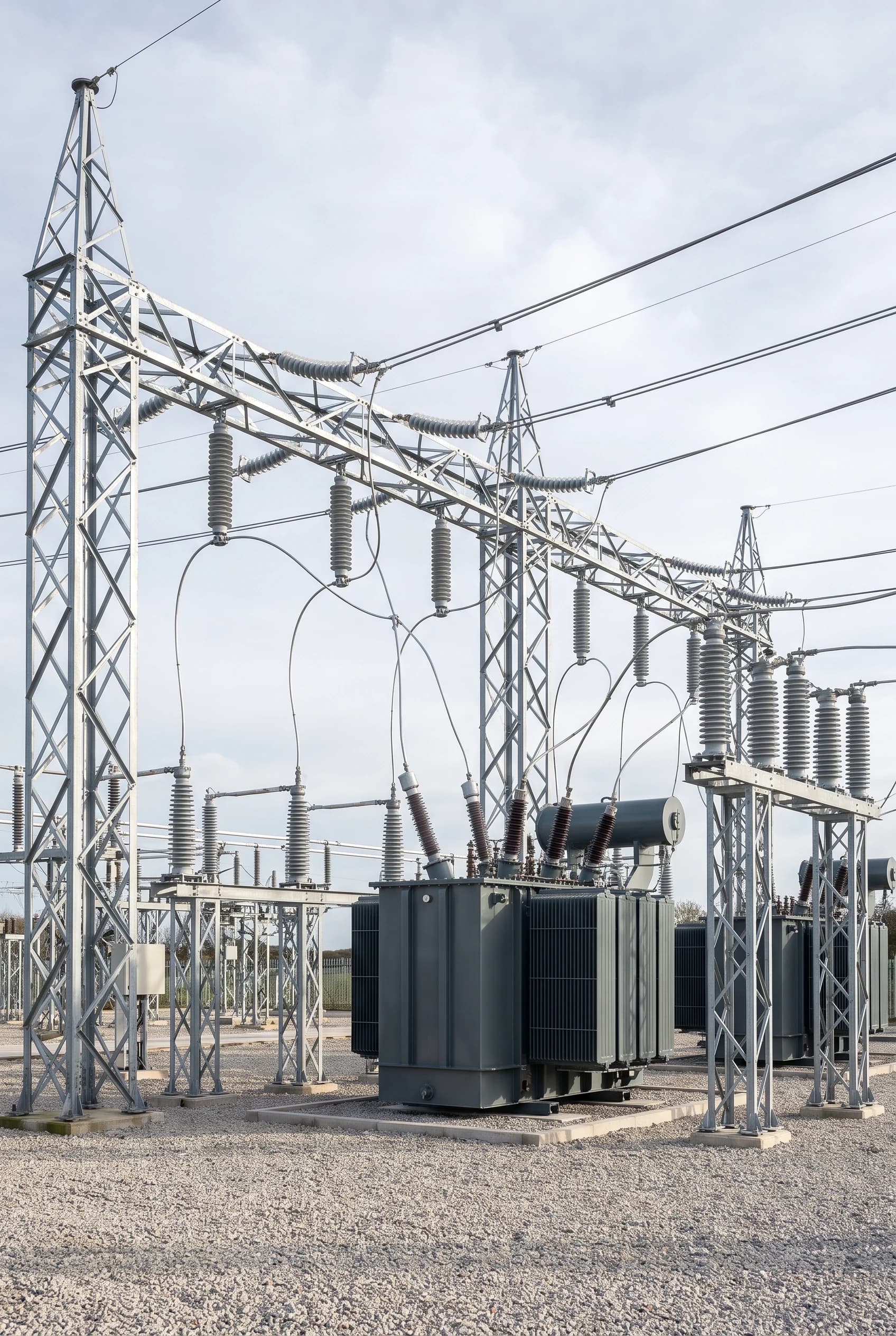
Power & Utilities
Substation visibility before the breaker trips.
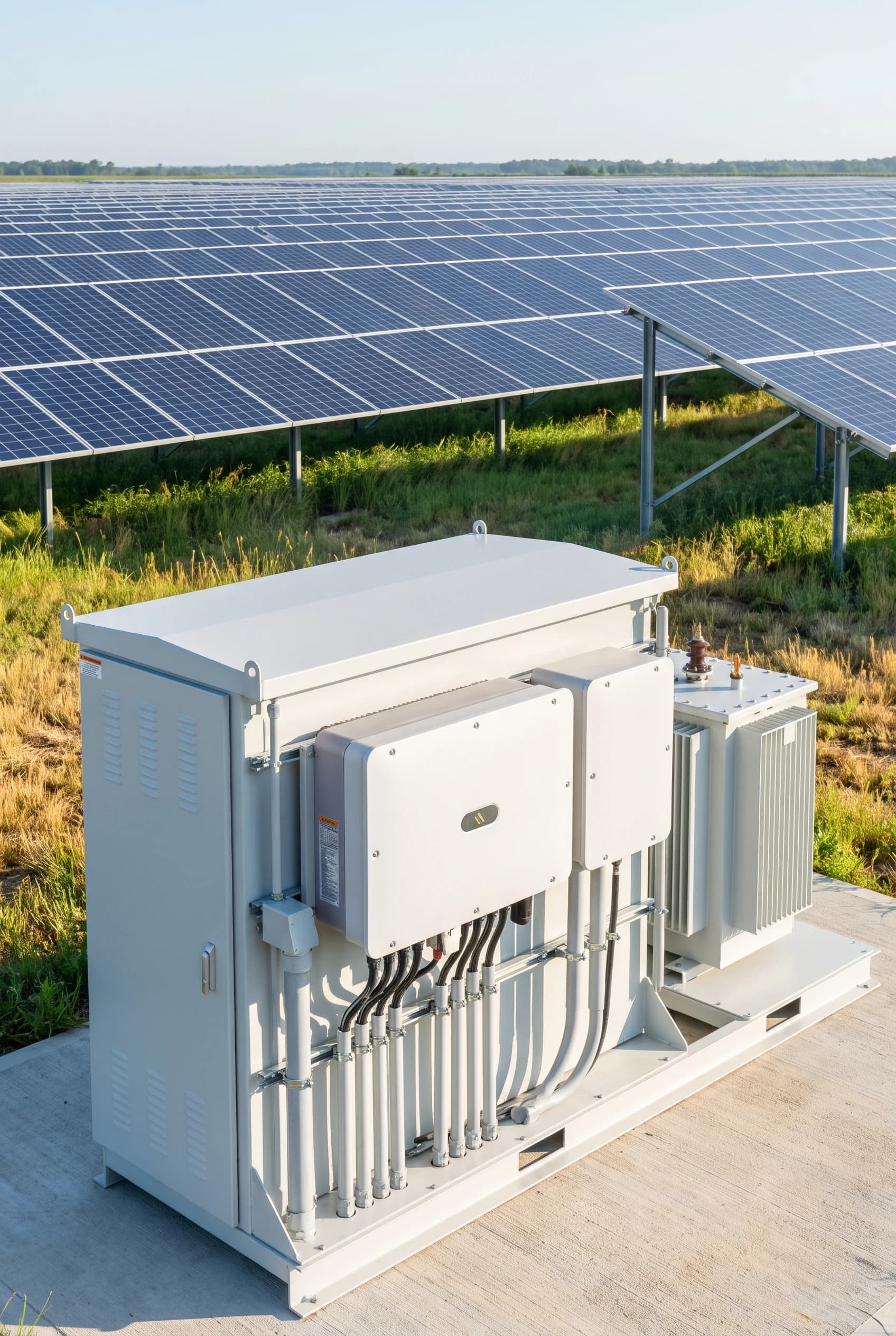
Renewables & BESS
End blind truck rolls across distributed sites.
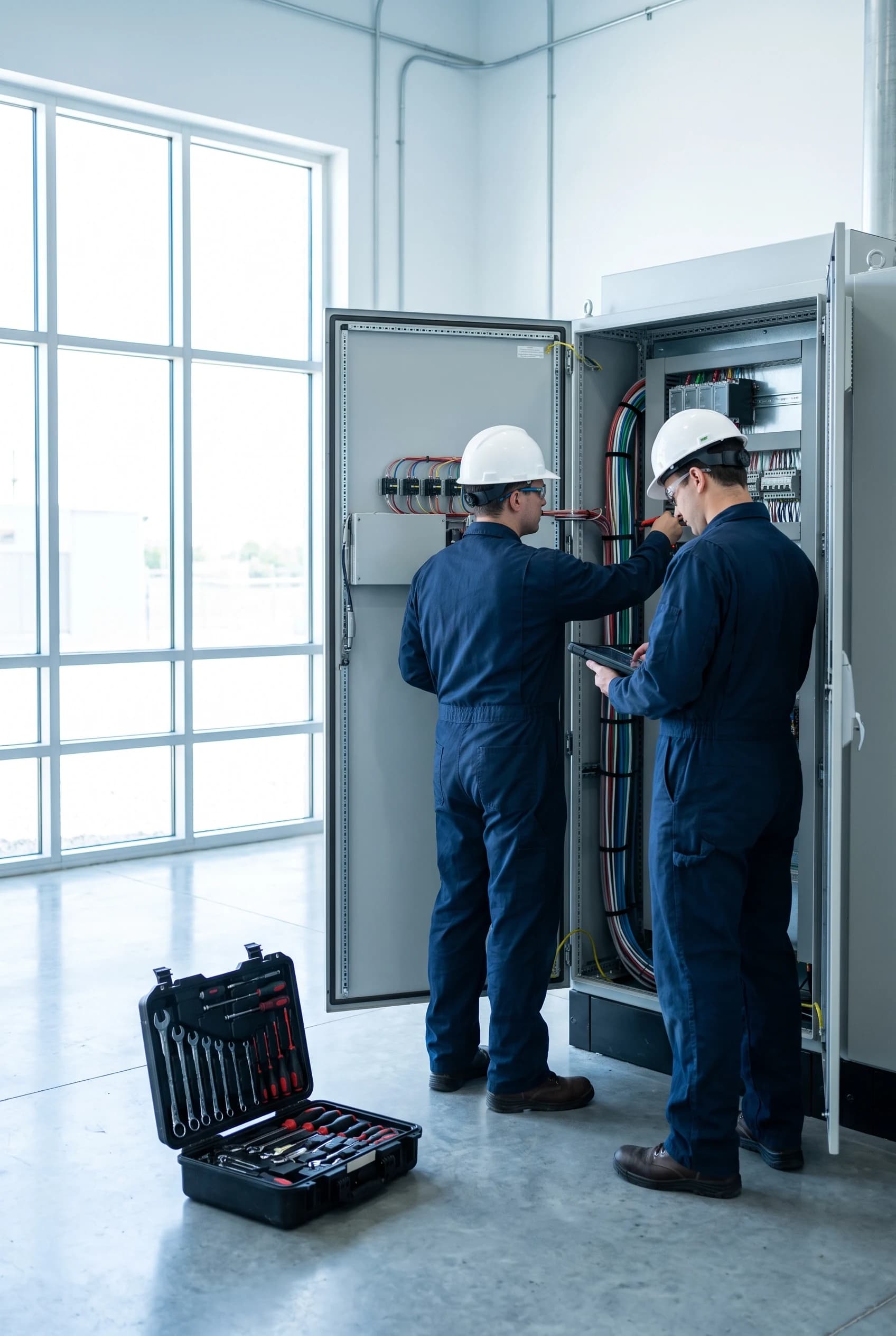
OEMs & EPCs
Protect the service revenue on equipment you sold.
Don’t see your sector? If your equipment reports a value, we can read it.
Questions
Will it touch my SCADA?
No. It reads alongside it and does not write.
What does my security team need to do?
Write one outbound rule. They can close it any time.
What if I have no historian?
You do not need one. 42Hz keeps its own and records every reading from day one. Useful signal appears in weeks.
What does it cost?
First we learn your problem and check that we can help. We quote only when we know we will save you money.
Start with your own sites.
Tell us what you run. We will tell you what we can read at your sites, before anything is signed.