
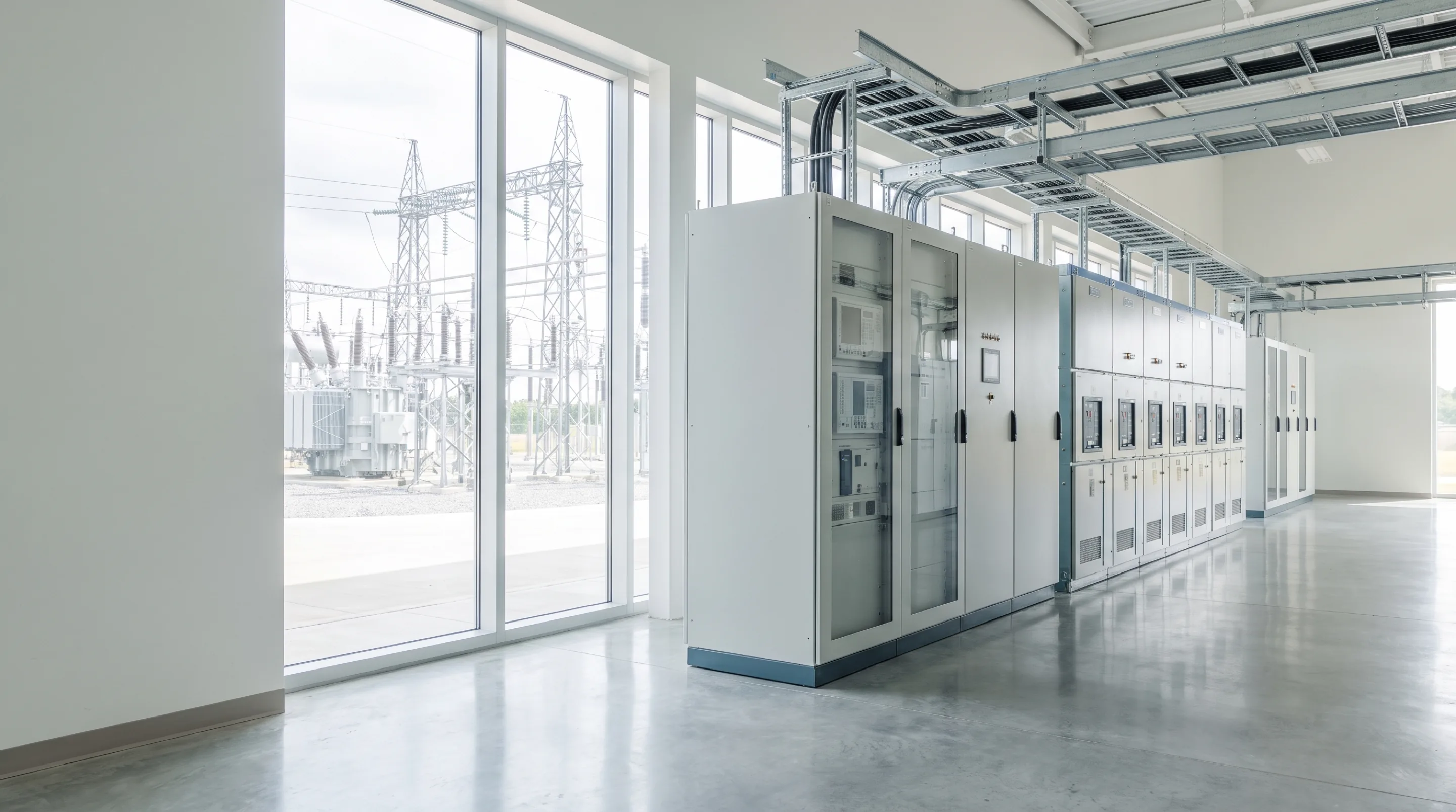
Substation visibility before the breaker trips.
Turn transformer, breaker and feeder telemetry into work orders before an outage becomes a penalty.
The relays already saw it.
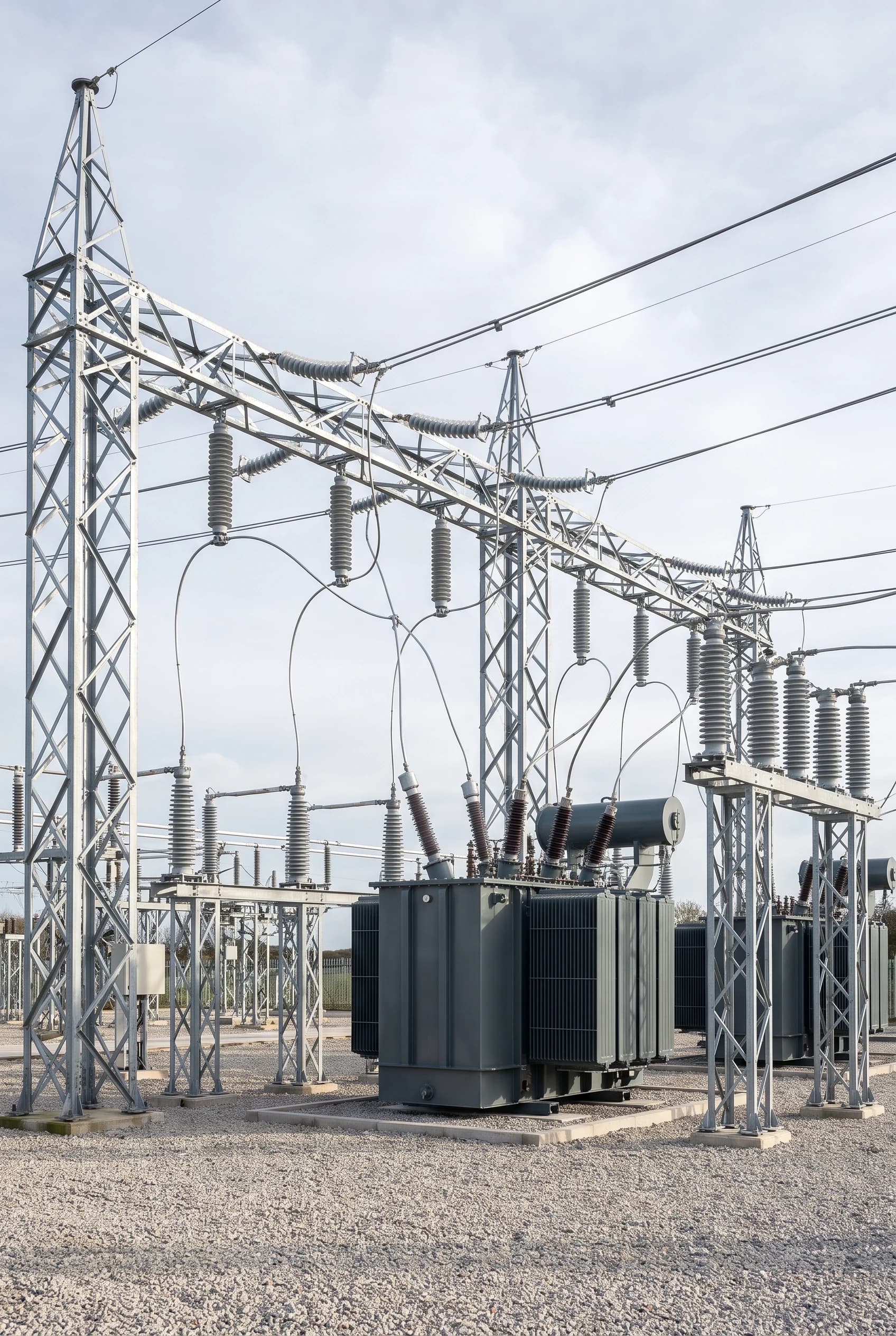
A substation transformer is among the costliest assets a small utility owns, and an unplanned outage brings regulatory trouble on top of the repair. 42Hz reads what your relays already report: dissolved gas, oil temperature and load history. It flags degradation while it is still a maintenance job.
Breaker trip timing and cycle counts show when a mechanism is wearing out. Worn breakers get replaced in a planned outage, not after an emergency trip. Grid noise is filtered out, so only real wear reaches the operator.
Most outages give warning.
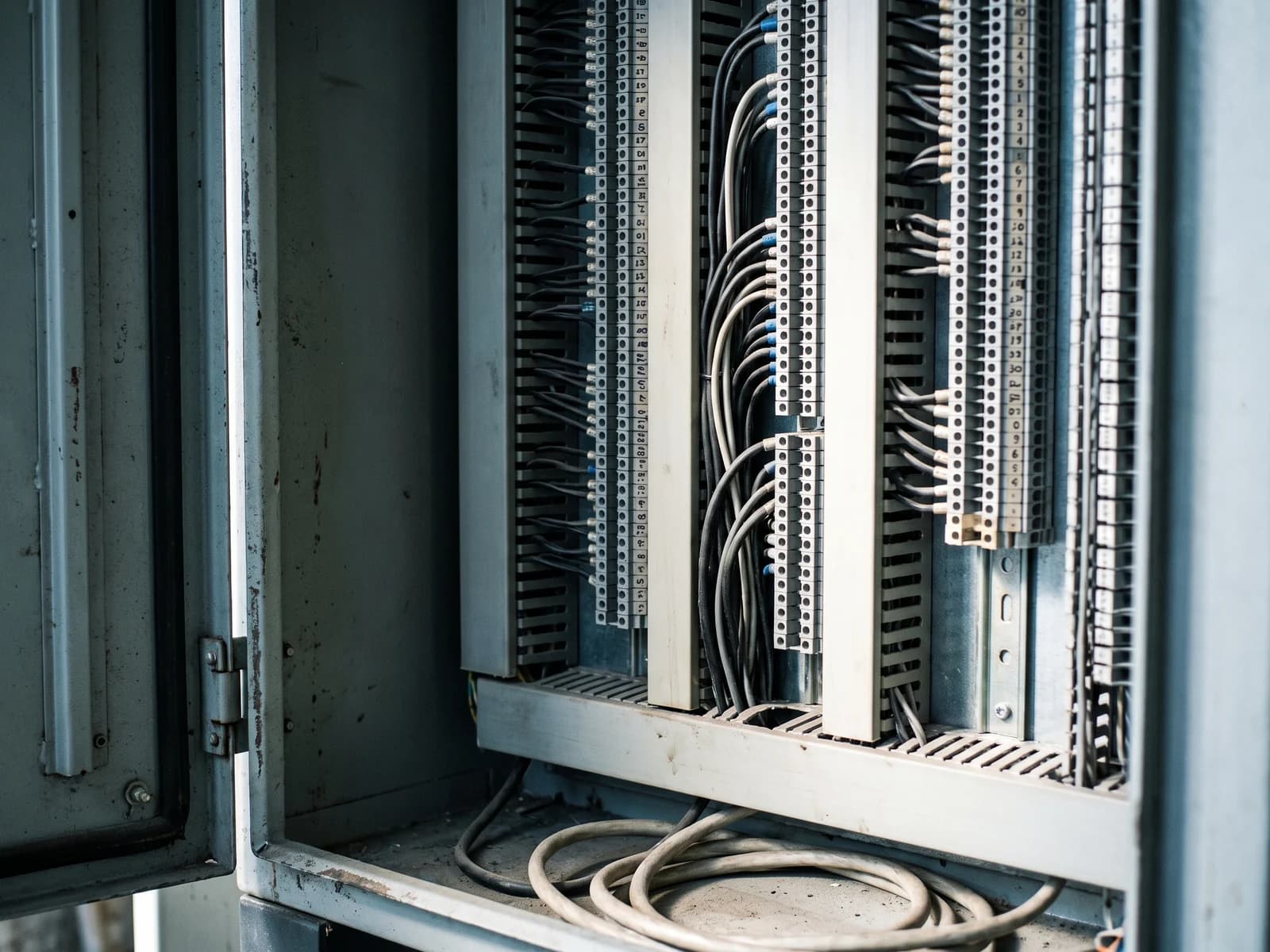
The relay in that cabinet has been recording every event for fifteen years. The transformer has been logging its loading the whole time. The station battery reports its voltage to a panel nobody reads.
So the first sign of trouble is an outage, the first call comes from a customer, and the crew rolls at 2am to diagnose what the station already knew. Nobody can staff forty stations at 2am.
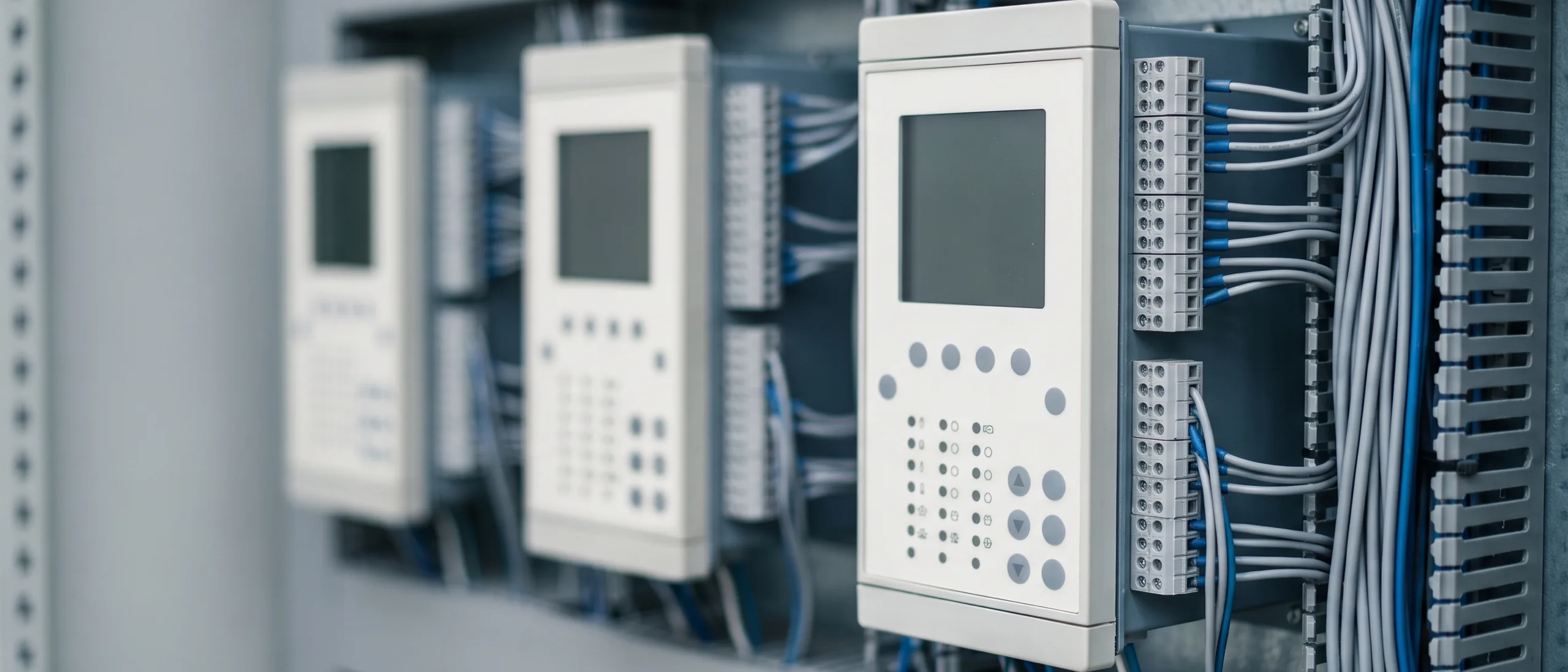
The station knew at nine. You found out at two.
What a developing fault looks like from inside the cabinet, against what reaches the person who can do something about it.
These have been writing things down for fifteen years. None of it is read between inspections.
A recloser operates and resets. Load picks back up. Nothing is out, so nothing is reported, and the record sits in the device.
The information existed for five hours before anyone had it. 42Hz would have phoned at 23:00.
You are already paying for this.
$0B
Put into grid hardening and resilience every year by US investor-owned utilities. A share of that is spent twice: once on the outage, and once on the truck that goes out to find out why.
A small utility carries the same reliability obligations as one fifty times its size, with a team that fits in two trucks. Every hour spent diagnosing something the station already recorded is an hour not spent on the work you planned.
The equipment is old and most of what kills it is preventable. 42Hz gives useful signal in weeks, because it reads what you already own.
- 2 in 3
- operators report trouble finding or keeping qualified staff
- Uptime Institute, Staffing and Recruitment Survey
Hear about it before the 2am call.
Four changes, on stations you already own. No SCADA upgrade.
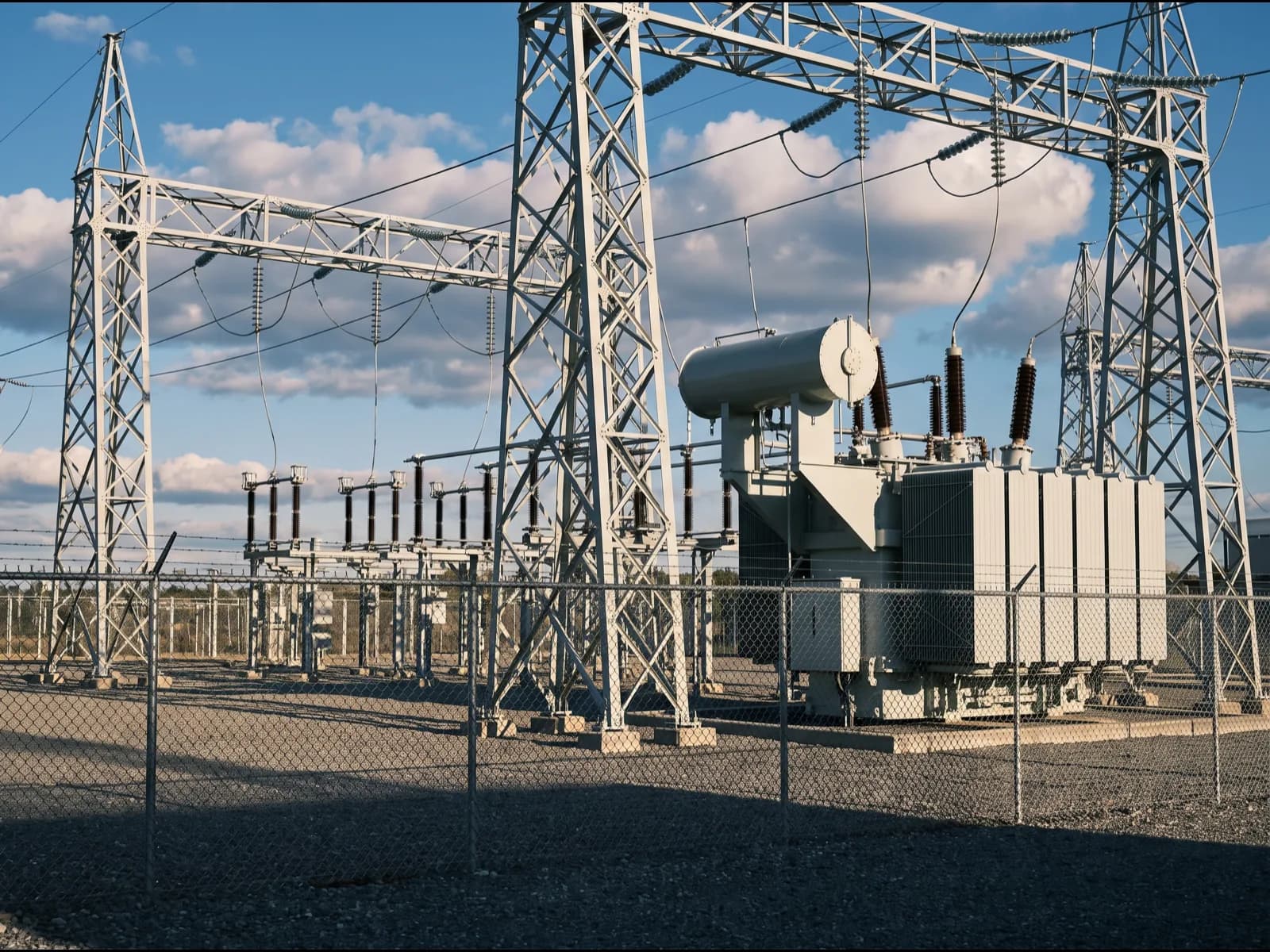
You find out first, not the customer
You get it as a maintenance ticket, in daylight, not at lockout.
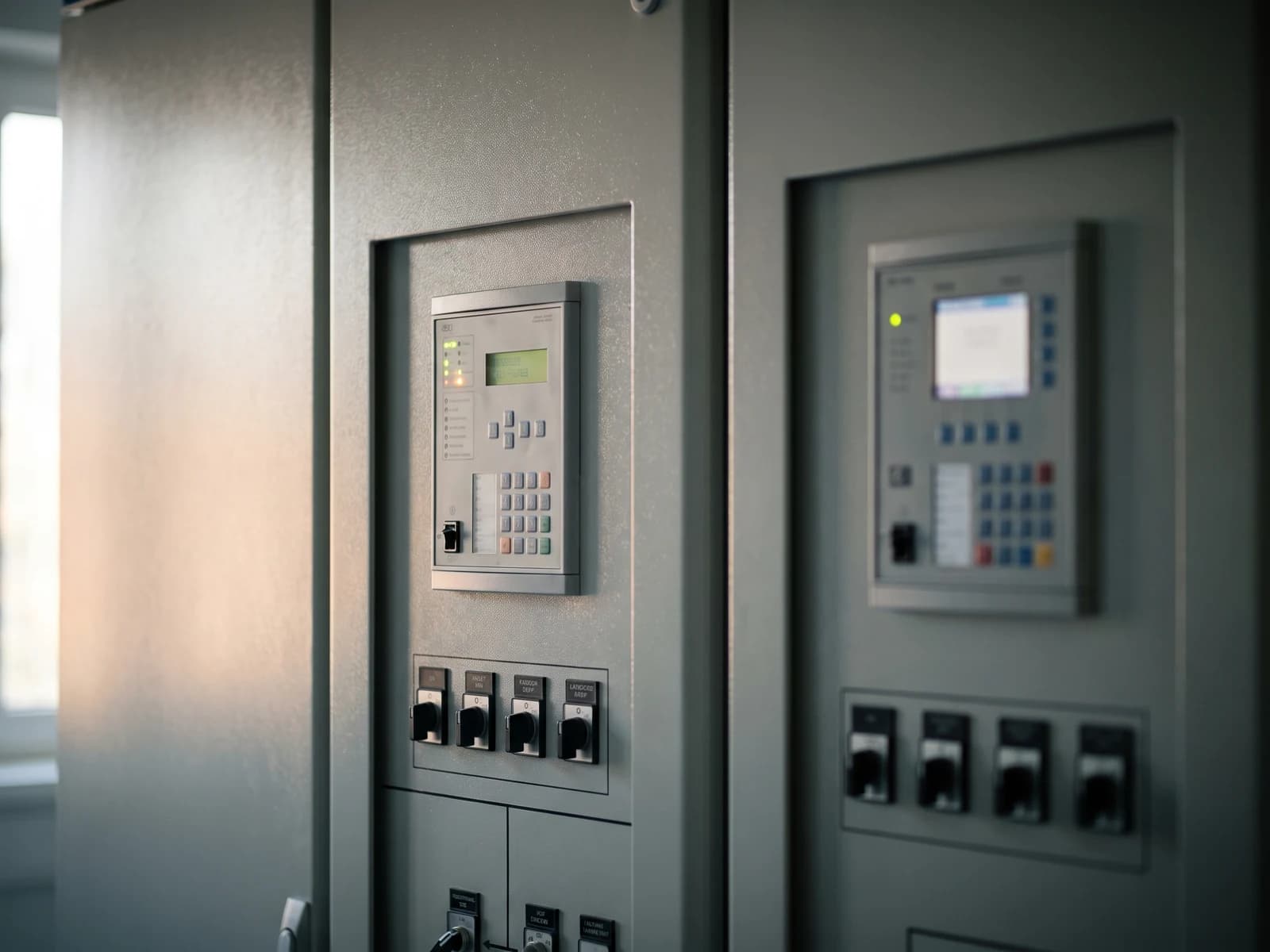
Twenty years of equipment, one view
Relays, panels, RTUs and meters from twenty years of buying, read together. Any vendor.
Nothing installed at the station
No new sensors, no SCADA upgrade, no outage to commission it. Read-only, with no path back into your OT network.
Transformers that last longer
Faults caught early do less damage. You replace on condition, not on the calendar.
Start with one substation.
Tell us what is in your stations. We will tell you what your relays can already show, before anything is signed.