

Built to pass your security review.
Adding a vendor to critical infrastructure is a security question first. Here is the full answer, in the order a reviewer asks.
Designed against
- IEC 62443 zone-and-conduit
- NERC CIP
- IEEE 1613 substation hardening
- IEC 61850-3 environmental
- Ontario Cyber Security Standard
- TLS 1.2+ in transit
- AES-256 at rest
- Role-based access
- Full audit trail
Why it is safe to add.
No control writes
No inbound path
No agent on the asset
Encrypted end to end
Scoped and logged
Exportable, never shared
Never training data
The premise
Every new sensor is a new way in. Including ours.
A transformer that ran thirty years without a network port had no remote attack surface. Add a gateway and it has one. The value and the exposure come together, so the connection must be built with care.
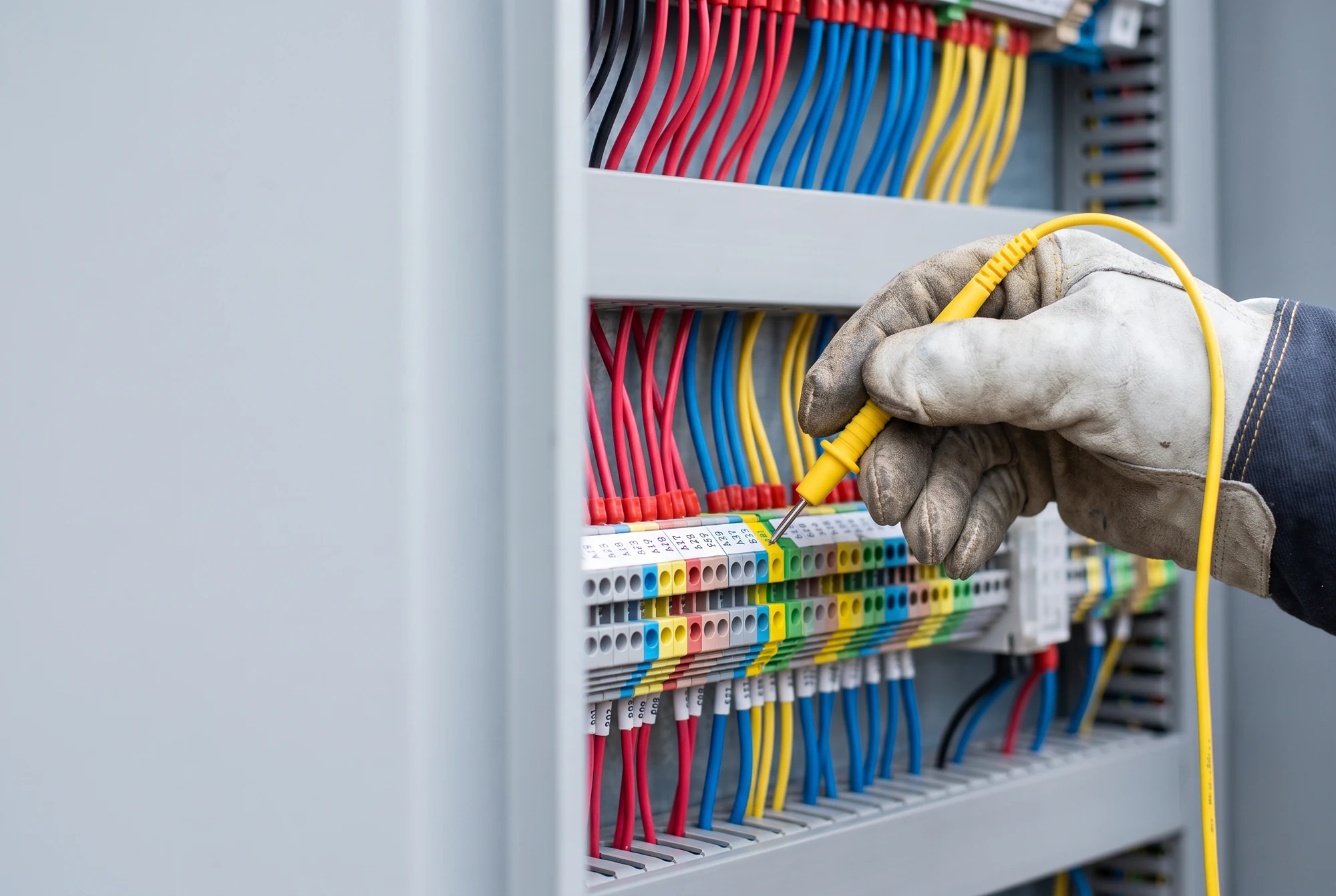
Networked
Inside your existing access rules.
Where you grant access, we connect through your network under your rules. For regulated utilities that means inside your NERC CIP program, documented for your reviewer. The connection is outbound.

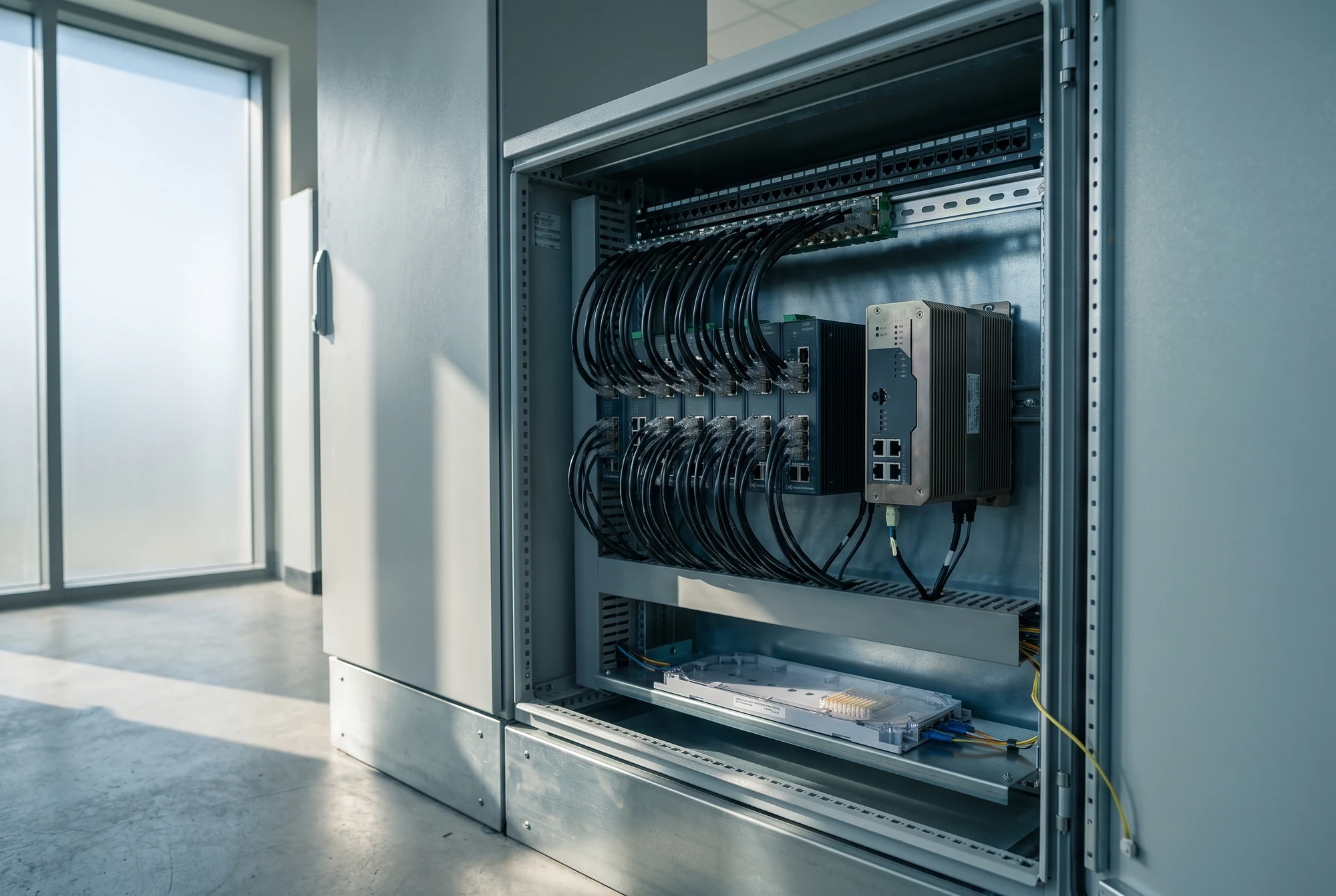
Isolated
Or touching none of your network.
Where you grant none, a pre-configured edge kit reads at the panel and sends over LTE. It never touches your OT network. We supply the hardware, connectivity and configuration.
The network layer
It works with the network security you have.
42Hz works behind your existing firewalls and segmentation, whatever the vendor. Where a site has none, we can specify and supply it through our partners.
Frameworks
It supports compliance. It does not grant it.
No product makes you compliant. 42Hz gives these frameworks what they ask for: visibility into critical assets, read-only, with a timestamped record of what happened. Your cyber budget and your monitoring gap can be one line item.
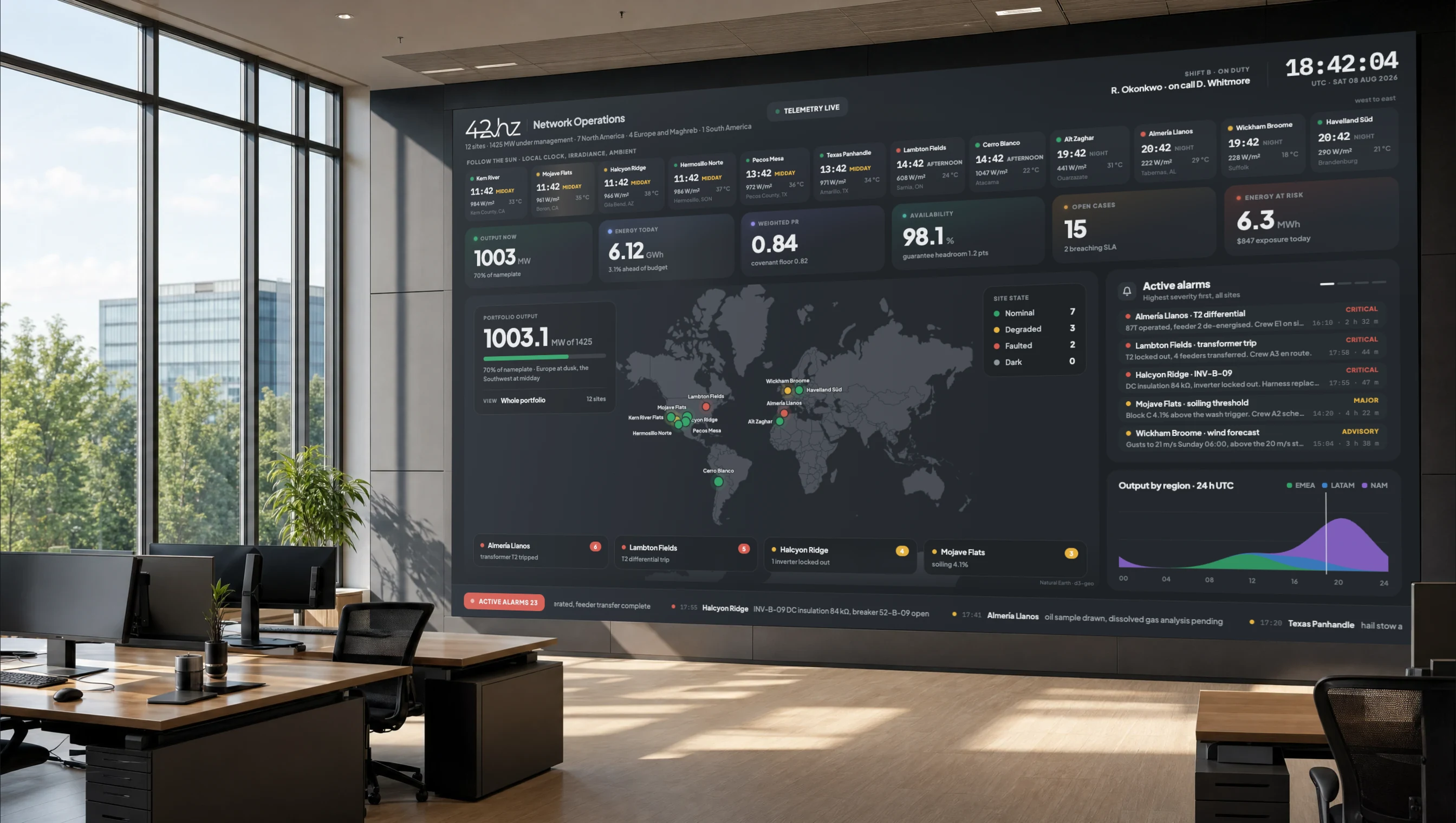
What crosses the boundary.
Every hop between the asset and the person who gets called, in order.
- At the panel
- The reading unit polls what the station already exposes: relay registers, RTU points, meter reads, transformer gauges, inverter APIs. Read function codes only; there is no code path that issues a write.
- At the edge
- Values are timestamped and buffered locally before they go anywhere. If the link drops the buffer holds and backfills on reconnect, so a comms outage costs you continuity of record, not the record.
- Across the boundary
- The edge opens an outbound TLS 1.2+ session. Nothing listens at the site, so there is no port to scan and no inbound rule to write. Networked or isolated, the direction is the same.
- In the platform
- Each value lands against the asset it came from, and the unit's own baseline updates. Anything outside that envelope becomes a case with the readings attached to it.
- Back to a person
- A case reaches a screen, a phone call or an export. Nothing goes back to the asset.