Stop driving out to find out.
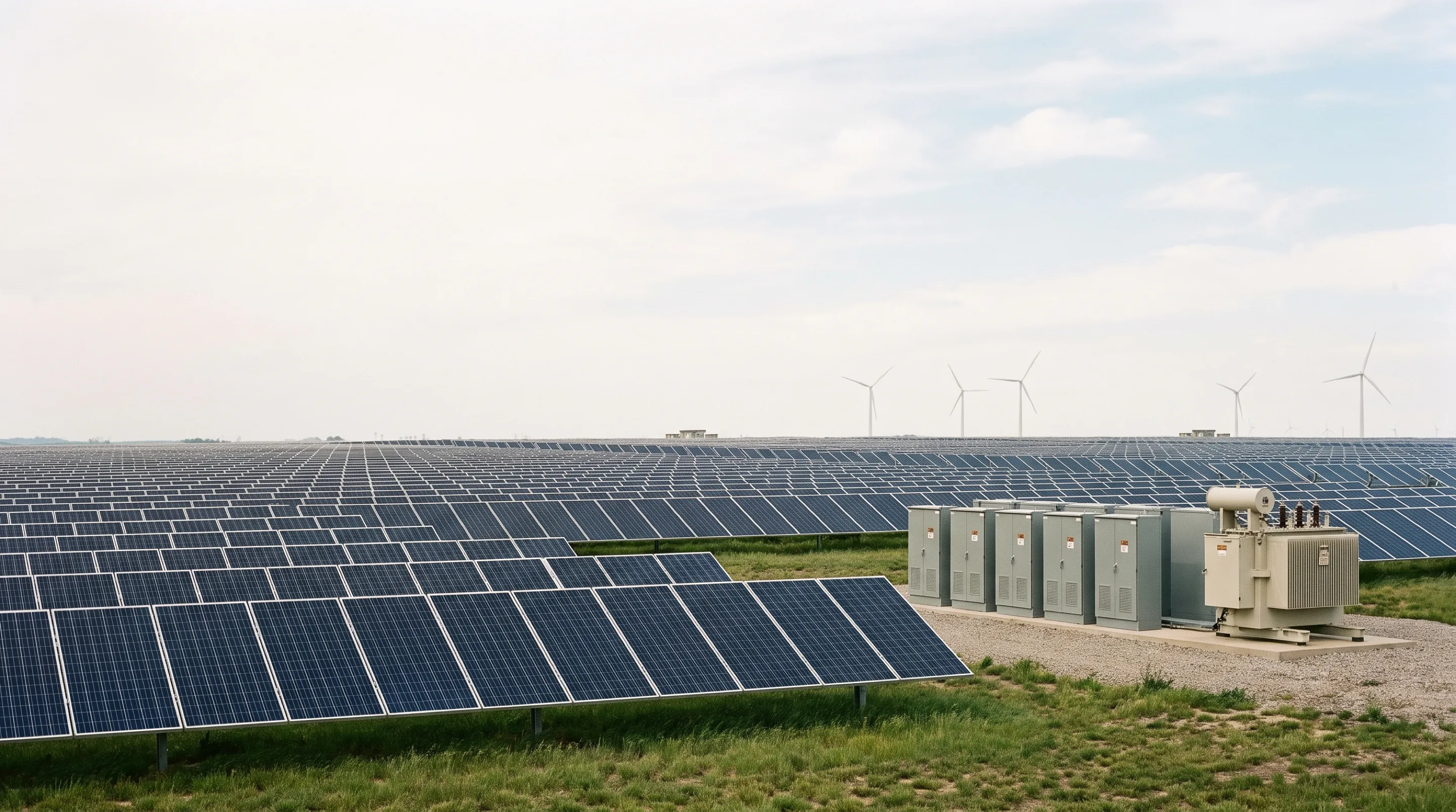
End blind truck rolls across remote solar, wind and battery sites.
Distance is the cost.
Your hardware is spread over long distances, and an unguided site visit is the costliest way to learn what happened. 42Hz reads inverters, transformers and batteries remotely, without touching site SCADA.
For solar, it tells grid curtailment from real inverter failure and keeps the log that enforces a vendor SLA. For storage, it reads what the battery management system reports, including temperature spread and insulation readings, and flags a string before it trips.
Nobody is on site. The revenue stops anyway.
A solar site is unstaffed by design. So a string can be down for days before anyone notices, and every day is production you have already sold.
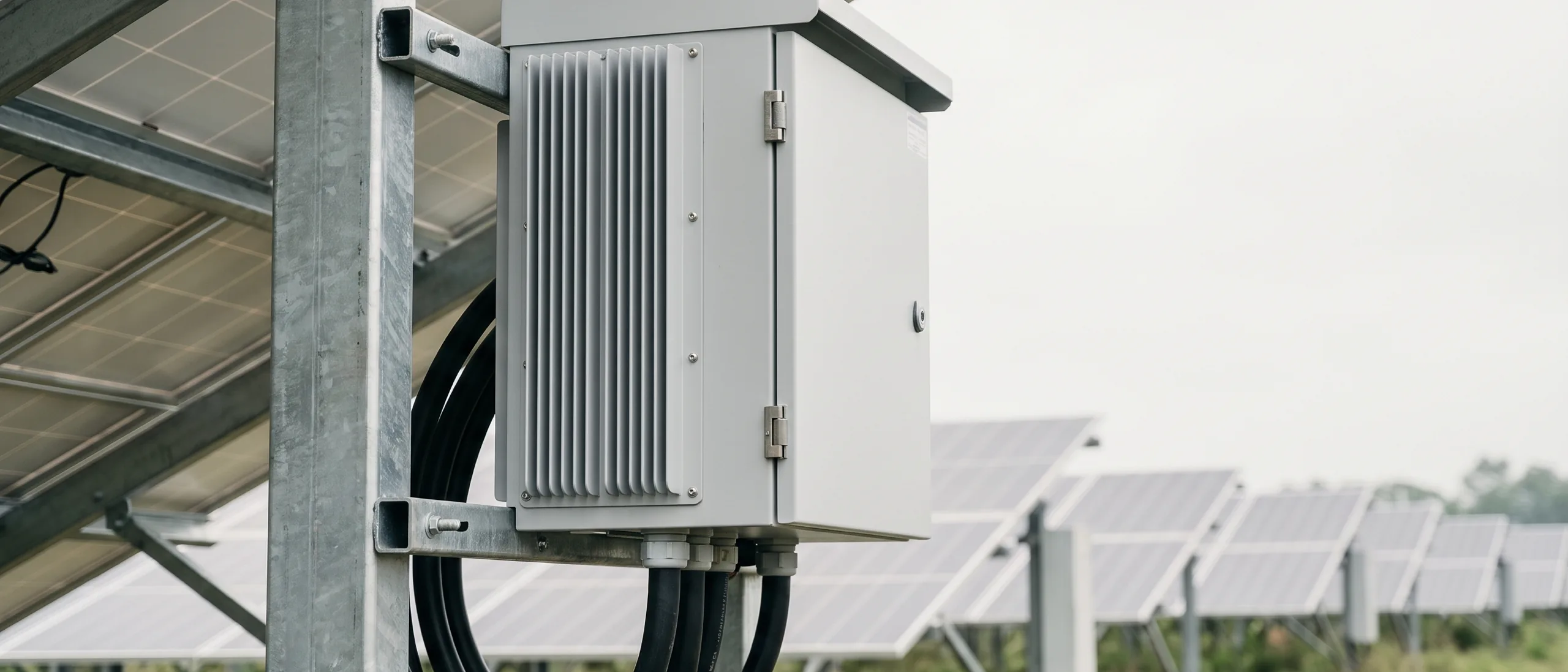
Inverters are the single most common thing to fail, and an inverter that has degraded rather than tripped will not tell you anything at all. It just makes less.
Eleven days at reduced output. Nobody was told.
A string inverter does not have to fail to cost you. It only has to underperform quietly while the site keeps reporting green.
This inverter reports what it made today. It is just never compared to what it made last week, under the same sky.
A cooling fan fouls and the inverter derates to protect itself. It is doing exactly what it should. It raises no fault because there is no fault.
Nothing failed and nothing alarmed. 42Hz compares each unit with its own past and would have flagged it the same day.
The site never went down. It just made less.
$0
Forfeited each year by a 50MW site with no preventive program, about 2.1% of annual availability, lost to inverter outages that were preventable.
The site was never off. It made less than it should have, on days you cannot re-run.
The trade: a monthly fee per asset, against production you now write off as weather.
Stop writing off production as weather.
Three changes, on inverters and trackers you already own.
A derate found in hours, not at month end
A derated string shows the same day, while you can still recover the production.
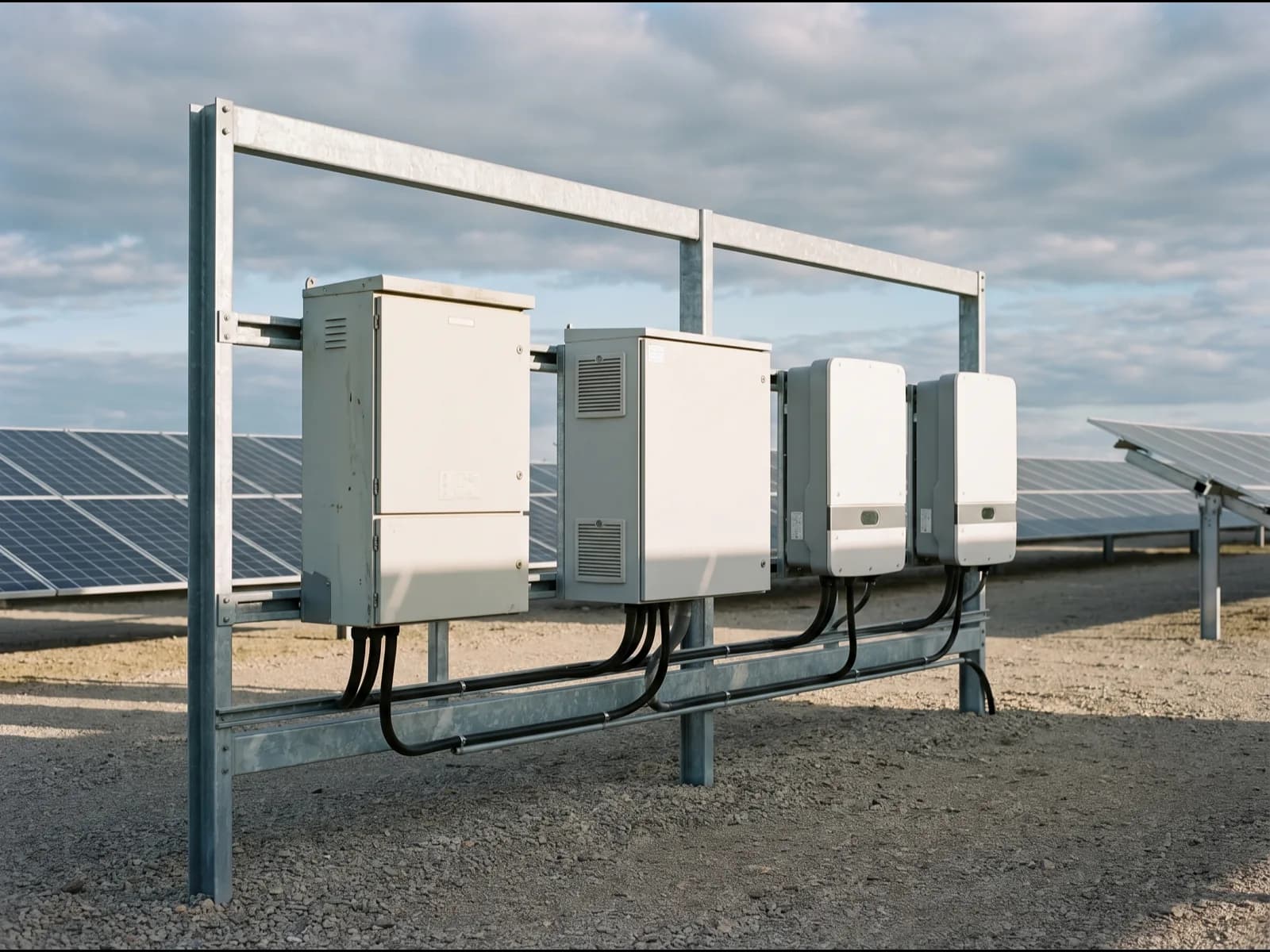
Every OEM in one place
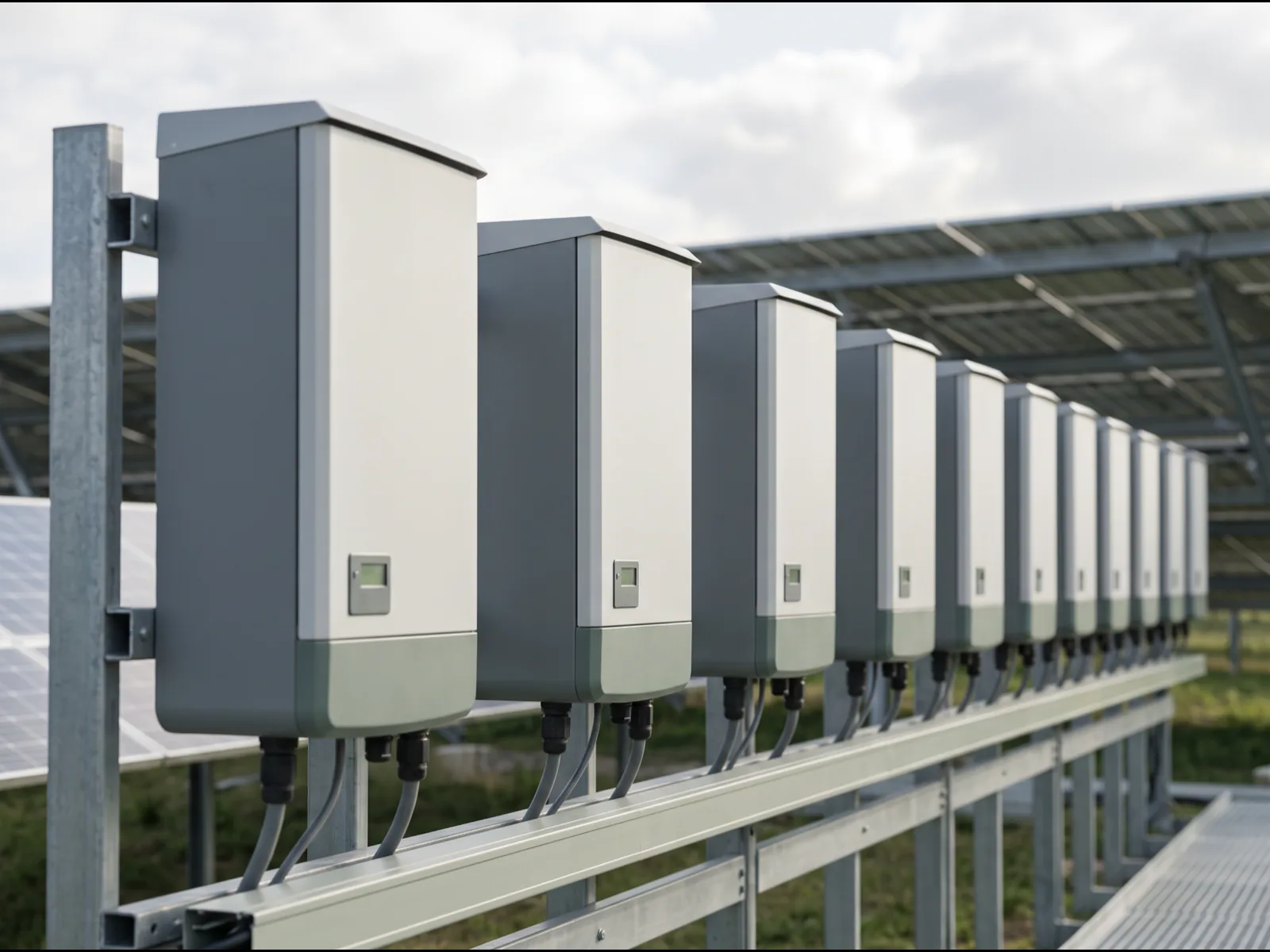
A portfolio built over ten years is four inverter brands and three SCADA systems. Peer comparison only works if they are read together.
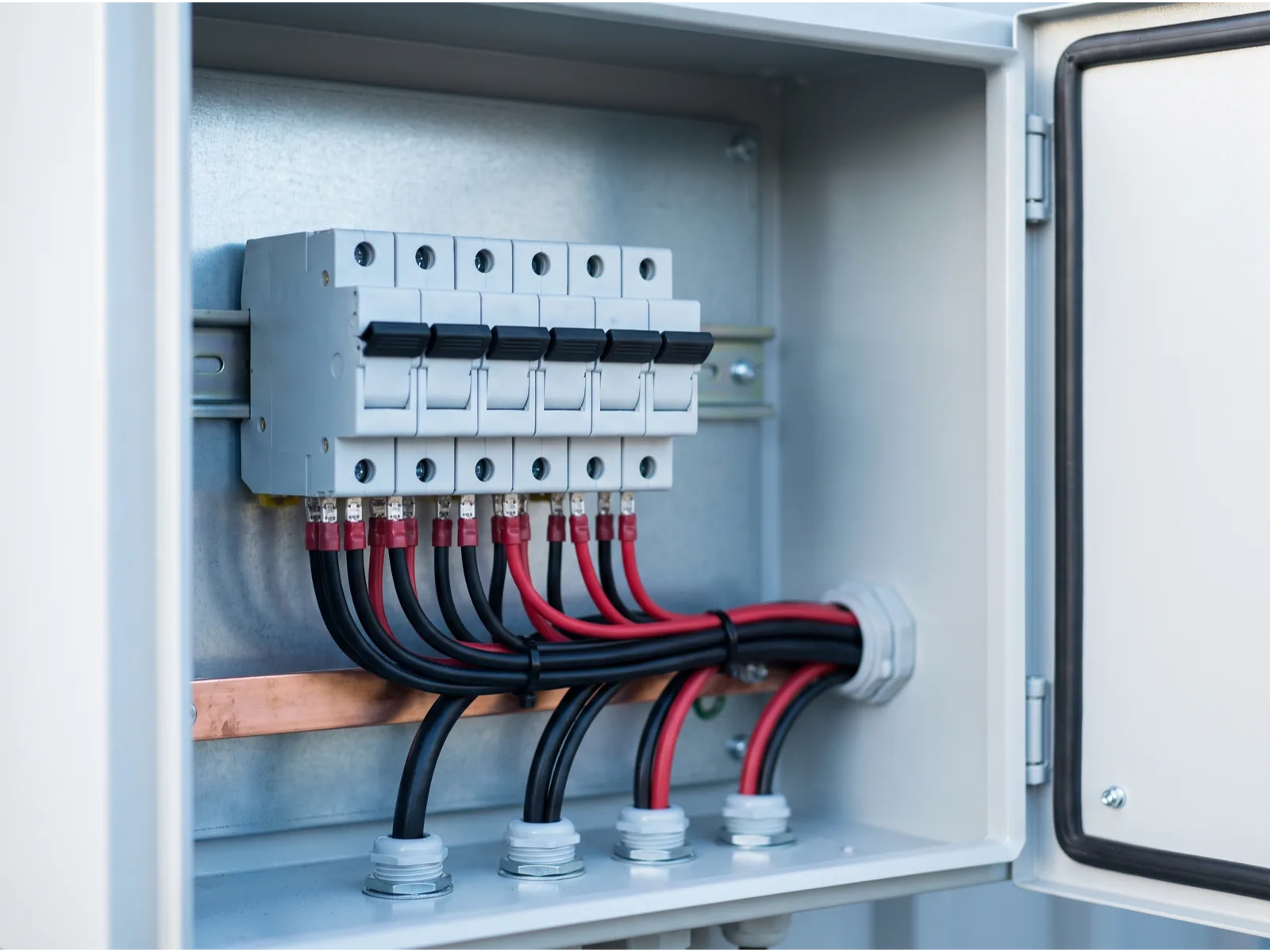
No site visit to switch it on
Nothing to fit at the array, nothing to fit at the inverter. It reads what your existing SCADA and OEM feeds already carry.
One screen for every site.
Send an asset list. We will tell you what we can read across your OEMs and what we would baseline first.