
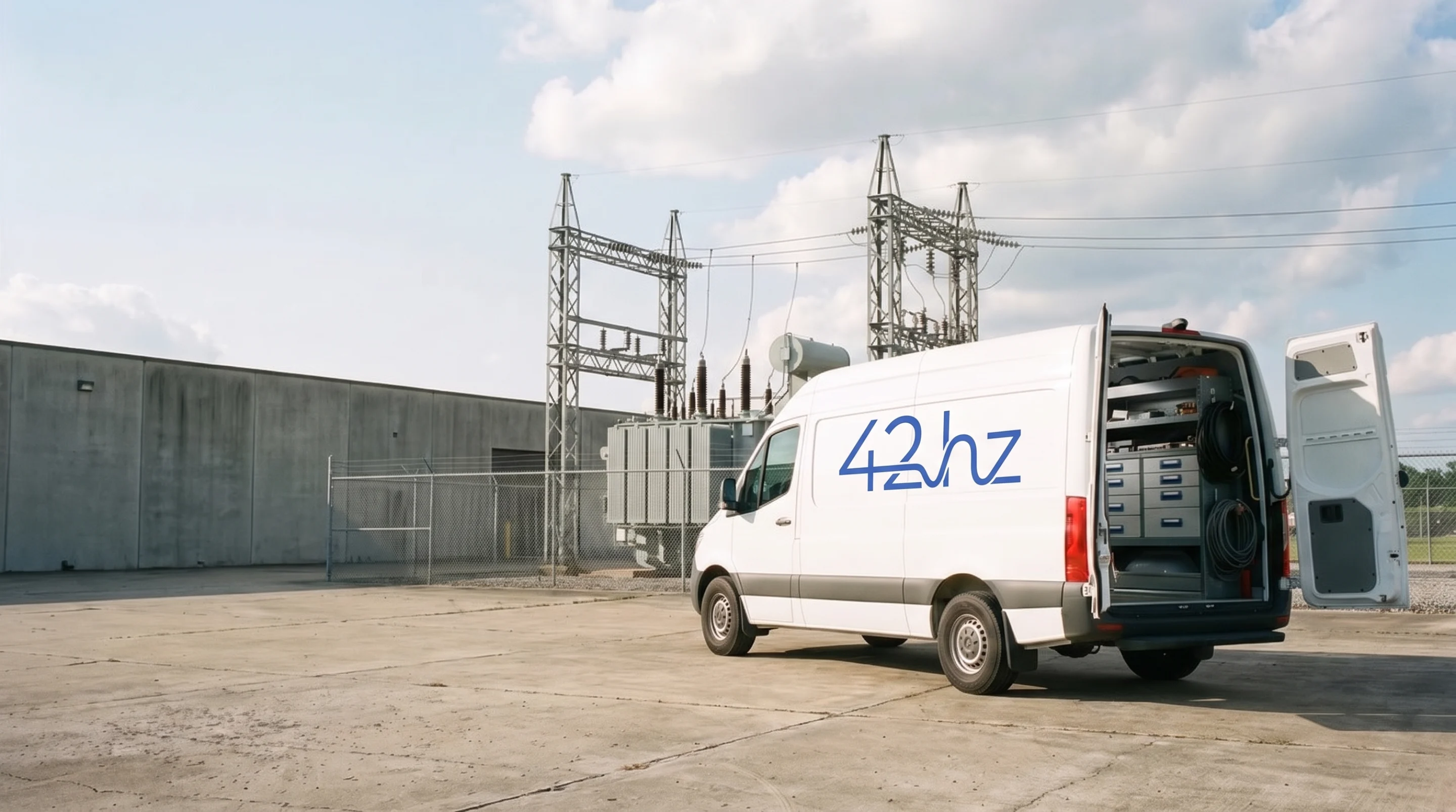
Protect the service revenue on equipment you sold.
Today you learn of a failure when the customer phones, if they phone you at all. With 42Hz you know first.
The call goes to whoever is closest.
When unmonitored equipment fails, the customer calls whoever can come fastest, and that is often a local contractor rather than the manufacturer. The parts order, the service call and eventually the relationship go with them. 42Hz alerts the equipment provider first, before the customer picks up the phone.
The record matters as much as the alert. Many early claims trace to maintenance the customer skipped, not to a defect. With a record for every unit you can show what happened, refuse bad warranty claims and price a service contract.
The second visit is the one that costs you.
You are paid to fix it. You are not paid twice for fixing it twice. When the first visit does not close the job, the truck goes out again, the customer waits, and the margin on that contract is gone.
You cannot diagnose what you cannot see between visits. Every site reports something already. You have no read on it until you are standing in front of it.
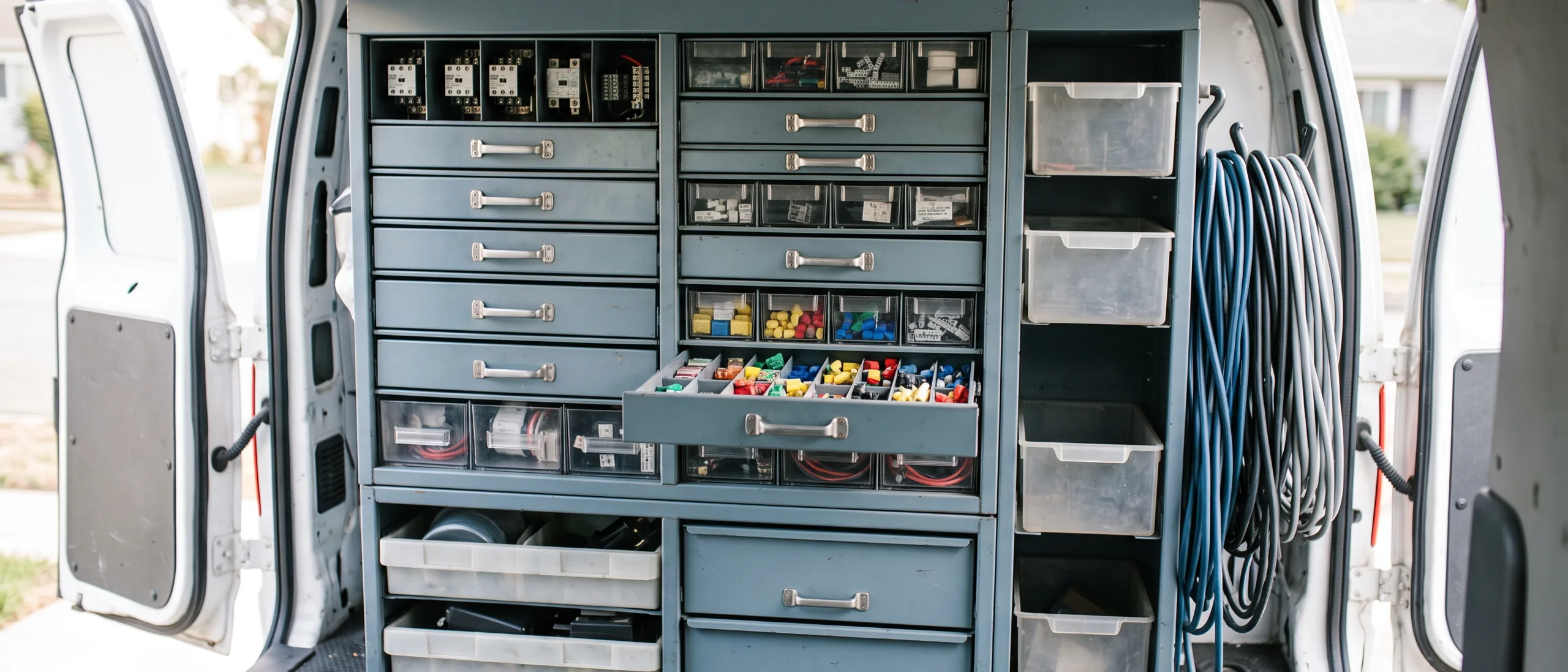
Three trucks. One part. Thirteen days.
What a job costs when it is diagnosed on arrival instead of before departure.
Everything needed to close the job on the first visit is already in the van. Which part it would be is the thing nobody knew before setting off.
A customer reports a fault in terms of what they can see. Nobody on your side has a read on the asset, so the truck is dispatched to find out what happened.
The first visit was not a repair. It was a diagnosis you paid to travel to. Knowing before dispatch is the difference between one truck and three.
Fix it first time and the contract works.
0%
Saved on service delivery costs by organizations that get first-time fix above 80%. Most sit around 77%.
Every point of first-time fix is margin. It is fewer dispatches, shorter resolution, and an SLA you are not paying penalties against.
It is also retention: organizations above 70% first-time fix average 86% customer retention. The customer does not see your detection rate. They see whether you turned up once or three times.
One truck, with the right part on it.
Three changes to how the contract runs, on equipment your customers already own, with nothing to sell them first.

The truck leaves knowing the answer
Which asset, which symptom, how long it has been developing. The part goes on the van before it sets off, not after the first visit.
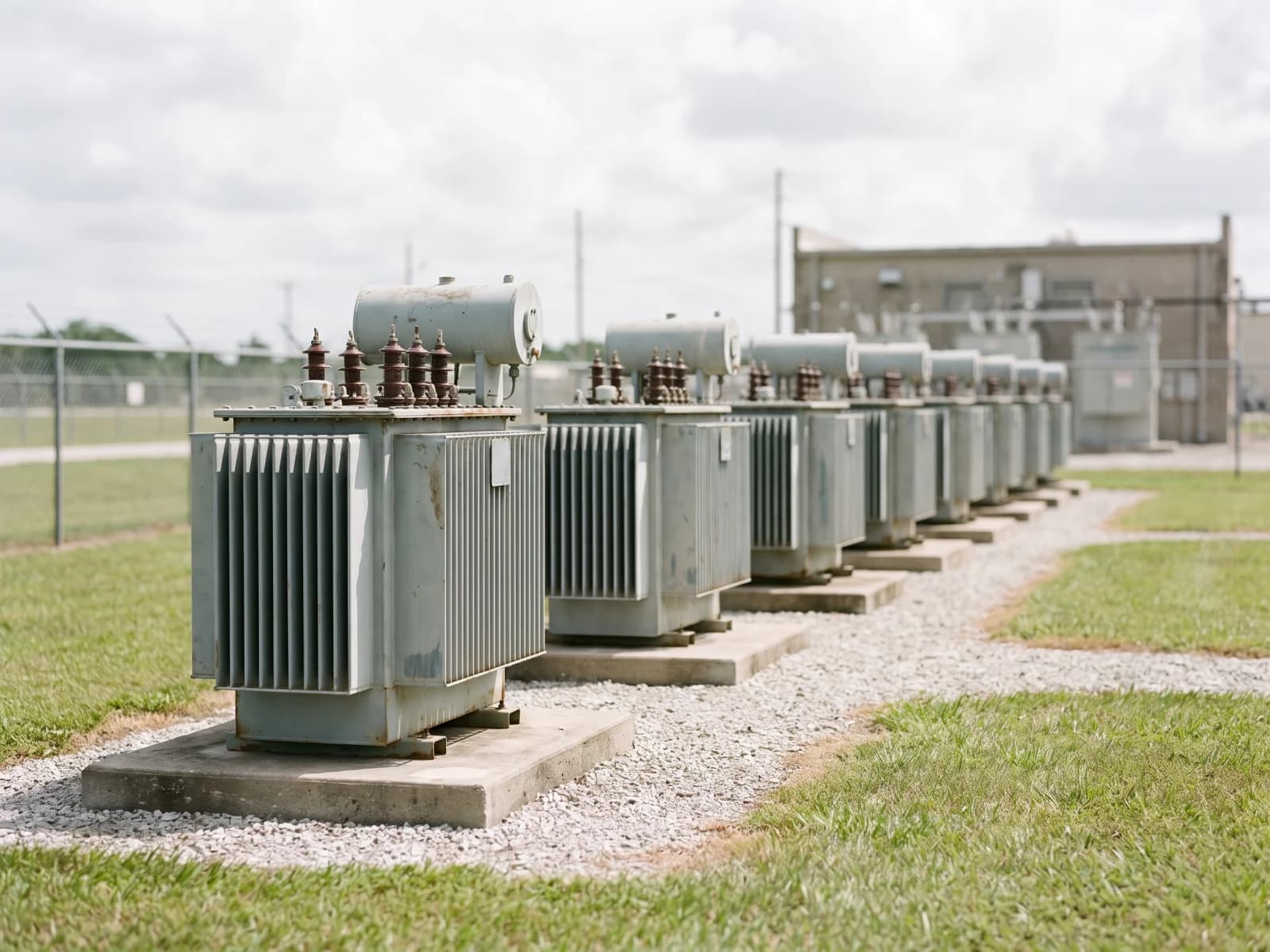
Every customer’s equipment on one screen
Ranked by what is actually degrading rather than by who called. And you see the same equipment across dozens of sites, which is a peer group nobody else has.

Nothing to install at every site
It reads what your customers already run, so you can roll it out across all of them.
Run the operation. We will run the platform.
Book a pilot on one customer. Tell us what they operate and we will come back with what we can read, what the onboarding looks like, and how it prices across your book.