
Unifying Fragmented Sensor Data Across Grid Infrastructure
Grid and industrial sites often run many separate monitoring systems that do not talk to each other, leaving operators with fragmented signals and no single view. Unifying that sensor data into one layer makes it possible to see developing faults that are invisible when each system is watched alone.
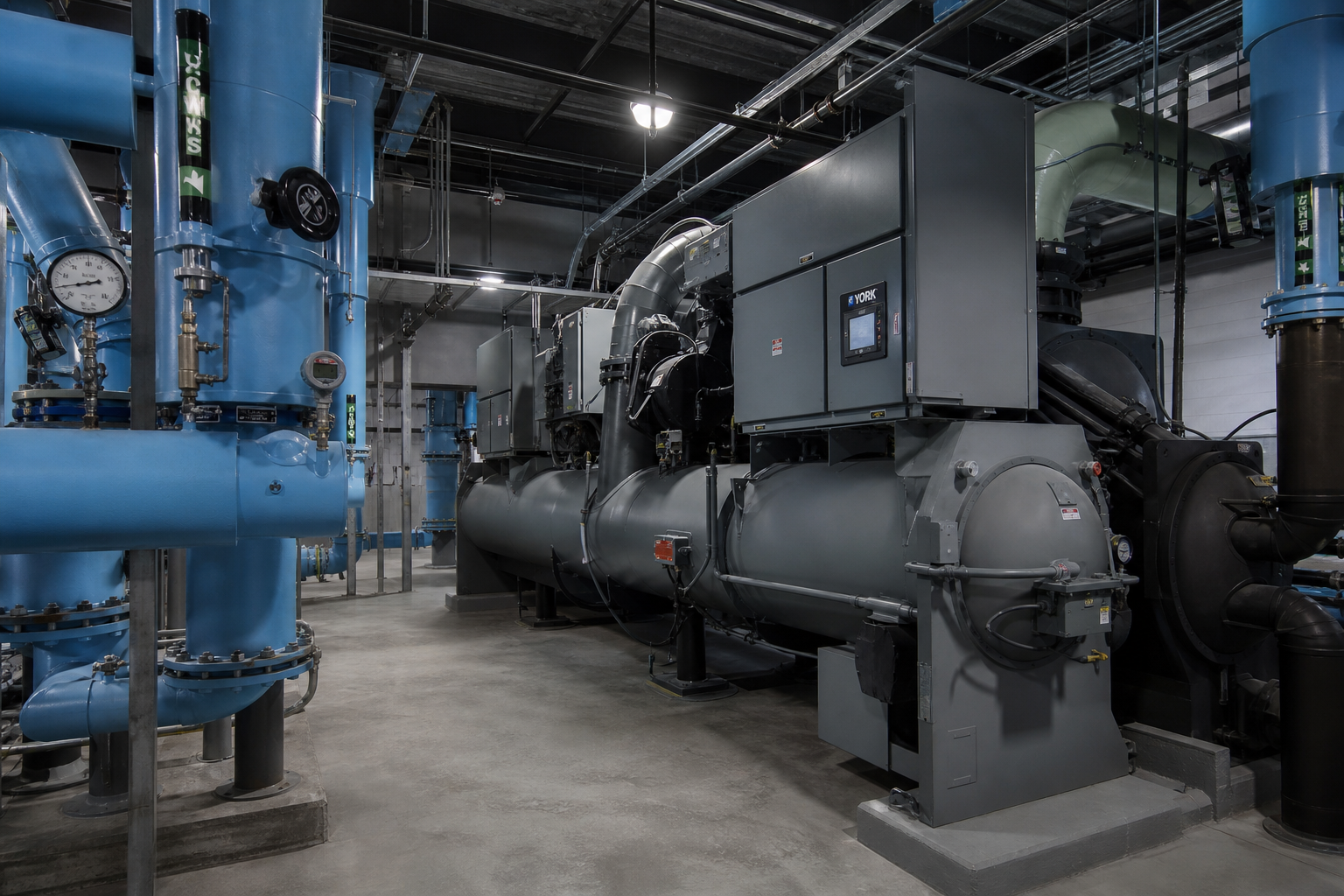
The fragmentation problem
Most facilities accumulate monitoring tools over time: one system for transformers, another for HVAC, separate sensors for different assets, often from different vendors. Each produces its own data in its own place. The result is that no one is looking at the asset base as a whole, and patterns that span systems get missed.
What unification changes
Bringing signals together into one intelligence layer means deviations can be evaluated in context rather than in isolation. A trend in one system can be read against what everything else is doing, which surfaces issues that a single siloed tool would never flag.
Why an agnostic approach matters
The only way to unify fragmented data in practice is to be vendor agnostic, able to ingest signals across mixed equipment and existing systems rather than requiring one vendor's hardware end to end. A software-native, integration-first platform is built for exactly that, sitting on top of what a site already runs.
FAQ
Frequently asked questions
Why is sensor data so fragmented on grid sites?
Monitoring tools are usually added over time from different vendors for different assets, so data ends up siloed.
What does unifying sensor data make possible?
It allows cross-asset pattern detection and a single health view, surfacing issues invisible to any one siloed system.
Does unifying data require replacing existing sensors?
No. An agnostic platform ingests signals from existing equipment rather than requiring a full hardware replacement.