
Why DGA and Partial Discharge Monitoring Work Better Together
Dissolved gas analysis and partial discharge monitoring detect different things. DGA reveals fault byproducts dissolved in transformer oil, while PD detects active electrical discharge in insulation. Used together, they catch faults that either method alone would miss.
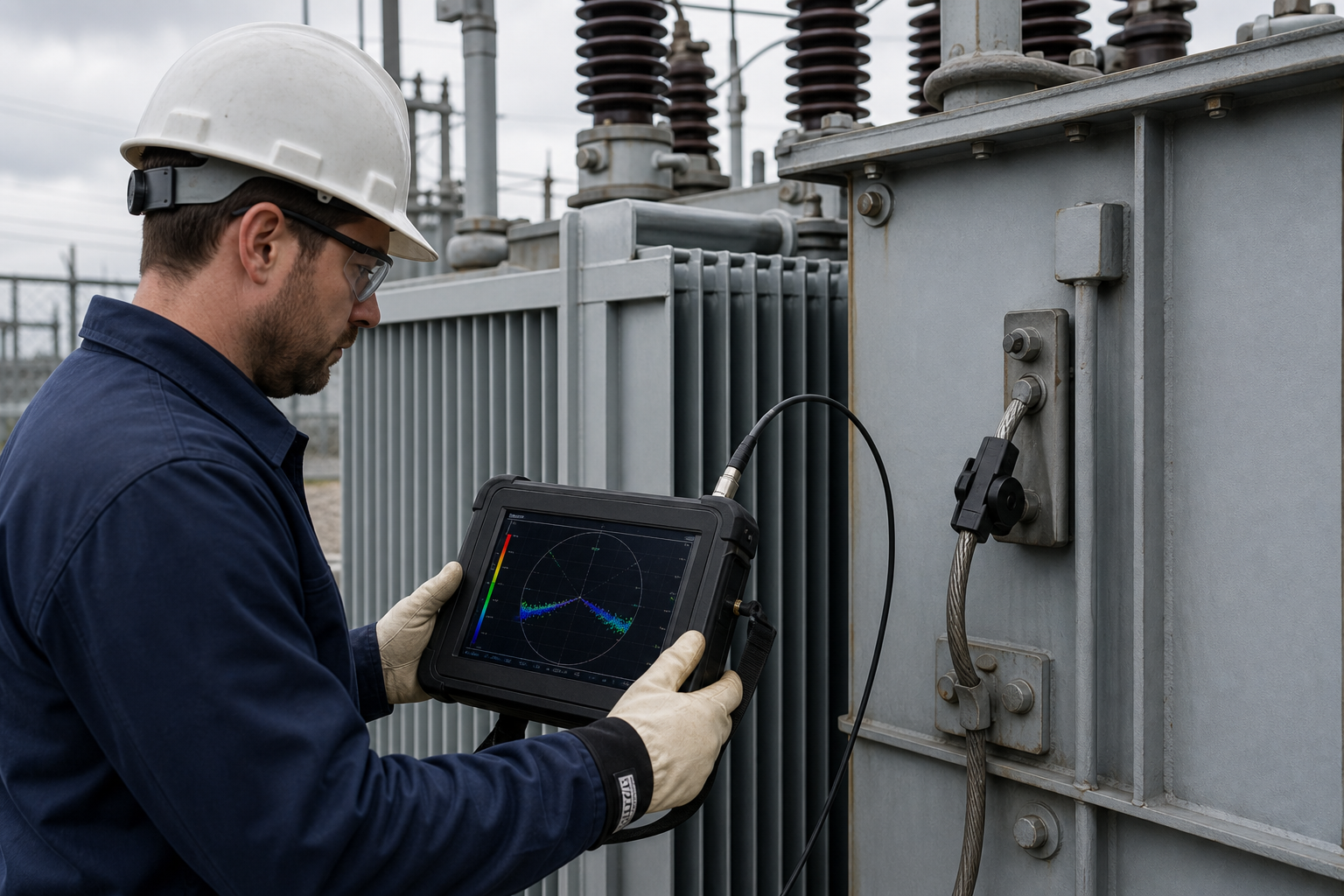
What DGA tells you
Dissolved gas analysis looks at gases produced inside the transformer as insulation and oil break down. Different gas patterns point to different fault types, which makes DGA a powerful diagnostic for what is happening chemically inside the unit.
What partial discharge tells you
PD monitoring detects active electrical discharge in weak insulation. It catches a developing electrical fault as it happens, sometimes before that fault has produced the gas signatures DGA would pick up.
Why combining them matters
Because the two methods see different aspects of the same asset, relying on one leaves blind spots. A platform that fuses DGA trends with PD signals, alongside thermal and other data, builds a fuller picture of transformer health than any single measurement can.
FAQ
Frequently asked questions
Is DGA or PD monitoring better?
Neither replaces the other. They detect different fault aspects and are strongest combined.
Can these be monitored continuously?
Yes. Online DGA and PD monitoring both support continuous trending rather than periodic spot checks.
What other signals complement DGA and PD?
Thermal data, bushing diagnostics, and load tap changer condition all add to a combined health picture.